Translate

The Oscar stories # 9: That night of November 4th in Florence


"Come on, Oscar, let's go have a drink and listen to some good music in that place on the Lungarno .."

This was the pressing invitation of the American friend with whom I had shared the first Vespucci Tour, organized by the Rotary club of Florence in 1964 in the United States.

He had come back and since he was a bit clingy but nice, I made myself available to spend an evening with him in a Florentine nightclub. 


It wasn't that I really wanted it because the flood of the Arno was increasing dangerously after those months of continuous rain that had dampened every optimism of the twenty years.

It was almost midnight, my friend had shot himself five whiskeys and was staggering. We had managed to defeat the numerous attempts of the girls of the place to push us to order champagne.

Luckily my American friend had found a room in a nearby hotel in via dei Bardi where I accompanied him supporting him because he was swaying like a pendulum.


After dropping it in the hotel lobby I headed to the Ponte Vecchio to go home.

My apartment was in via Torta, he says the name came from the design of a remote Roman theater.

However, a narrow street where all the noises, even the most subdued, echoed and I lived on the third floor in a shabby studio and I heard all those noises especially in the morning when all the craft activities in the area were set in motion.

Crossing the Ponte Vecchio I was surprised by the people who had stopped to look down at the river which had now reached the maximum vault of the arches.

What impressed were the vibrations of the ancient structure that had managed to survive even the fury of the Nazi armies.

After 10 minutes of walking I reached via Torta where my apartment was on the third floor of a building built on a structure of 1500.

Whether it's because of the whiskeys drunk, or because that had been a hard day at work I got rid of my clothes and got under the covers and fell into a heavy sleep.

In the dream resurfaced images of the river breaking against the ancient structures of the Ponte Vecchio, then the people crowding the banks of the river to see that overwhelming water that almost reached the edge of the road, 'My Madonna here everything comes out' ... they said but with an almost soft tone of voice without shouting and this made their speech even more dramatic even if it was almost covered by the thunderous noise of the flood of the Arno which was carrying an infinity of trees and things against the structures of the bridges.

This I had seen and this bounced in my mind in that ramshackle dream largely motivated by stomach acid. Maybe it would have been better before going to bed to throw down a little water with two teaspoons of baking soda.

But in that dream I felt surprised by that splash of water that came to my ears from below and it was not the impetuous scream of the river's water mass.

And then a strange silence not interrupted by any real noise of the Florentine life of the Santa Croce area that was awakening.

But that dream was not a dream and I realized it once that the wobbling of restless sleep had given way to an awakening with an excruciating patina in the mouth because the liver just wasn't working.

A strange silence and that swish. I got up and opened a window. 


Via Torta had become a Venetian canal submerged by a foul-smelling liquid mass due to the regurgitation of the sewers, to the scattered naphtha, to all the other filth that the river, now overflowing, was dragging on that part of Florence that it had invaded during the night.

According to the third floor that stream had reached almost under my floor at a height of seven meters.

Those who lived on the lower floors had moved above the other tenants who could accommodate them.

No one had knocked at my place because they were sure there would be no room in that small studio.

It must have been six in the morning and other windows had now opened and the women were conversing softly with great concern because that absence of habitual noises that had entered your head for years and were part of your way of feeling, were now gone to that eerie atmosphere.

'Now what do we do?', This was the phrase that was exchanged several times between the windows.

The next day I went up to the top floor along with others I knew in passing. There were windows open so we went up to the roof of the building.

Piazza Santa Croce invaded by water, the monument to Dante with the poet who seemed to lift his cassock so as not to get it wet, all the cars including mine covered with water that would become shrunken mud after a few hours.


Enrico Mattei, the legendary editor of La Nazione, had managed to have copies of his newspaper printed in a company that had remained dry.


Animated by a sacred fire, I ventured out of the house and after endless vicissitudes, struggling with the mud, I reached the headquarters of the company where I worked in Borgo Pinti and together with a group of hard workers we began to shovel to pretend to start again live. 

What an incredible feeling to have to pick up the cabinets of the new IBM center that had just opened.


One evening, returning home wearing the high fishing boots that I had managed to buy second hand, I lit up the mailboxes in the entrance hall with my portable lamp.

An absolutely meaningless gesture because the mud had plugged all those mailboxes. And then the electric light had not yet been restored and who knows when they would have done it because there was a danger of short circuit and being electrocuted.

Strangely, on the crack of my mailbox I saw something white in the light of the Pila. They had restored the mail delivery service, you think in those conditions, and that was a letter written by Franca who had gone to Mexico with her sister to find an uncle.

The story with that girl, I met a few years earlier in Grado when I was playing with my band, was very strange.

We had remained in correspondence but it was something very mysterious because her letters or my postcards from the places where I came to visit for my profession (thank God I had left music and I was able to find a 'normal' job ) crossed paths automatically, even though we rarely wrote to each other.

Franca was the girl to whom I said "you want to be my girlfriend for 15 days ?", at the end of my musical contract with the local in Grado.

After that letter found in the box overrun by mud, we saw her again and one evening in a pizzeria before taking her back to the station to take her train back to Udine, I told that beautiful blonde that it would be nice to get married.

She said yes and indicated the date of February 18th that she had already planned.


Muoia Sansone (Trump) con tutti i Filistei (Americani)

 The process is working'


Stephen Collinson and Caitlin Hu

----------

If President Donald Trump is contemplating the prospect of defeat by Democrat Joe Biden, he may intend to burn down American democracy on the way out.


In one of the most inflammatory moments in the history of the US presidency, a sour President appeared Thursday just as the election appeared to be turning against him. In a rambling screed, he lied over and over again, alleging a vast conspiracy had been hatched to deny him reelection.


Bizarrely, he argued that votes being counted in his favor were genuine, while any ballot that went against him was proof of massive fraud. To be clear, there is no evidence of fraud in the election. Legally cast votes are simply being counted. The reason Trump’s leads in key states are disappearing is that mail-in ballots – more often used by Democrats to avoid catching the coronavirus – are now being processed.


But the President was sending a message to his millions of supporters that his defeat -- if it comes -- will be illegitimate. Under the circumstances, inciting anger and further polarization threatens to destabilize the country at a most tense moment. The speech dishonored democracy, and left the United States, the supposed paragon of democratic values, looking like it was led by a wannabe autocrat.


Four tumultuous years have been leading up to this point. The Republican Party’s tolerance of Trump’s anti-democratic excesses early on enabled this behavior. His antics on Thursday night were the most extreme example yet of his disregard for the founding principles of the nation that he leads.


As shocking as his display of grievance was, it won’t stop votes being counted in the crucial states of Pennsylvania, Georgia, Arizona, North Carolina and Nevada. Trump will win some of those cliffhangers, but it’s looking increasingly possible that he falls short in the race in the end. The President might not recognize it, but this is called democracy. (CNN)

Le storie di Oscar # 9: Quella notte del 4 novembre a Firenze..


"Dai, Oscar, andiamo a bere e a sentire un po' di buona musica in quel locale li sul Lungarno.."

Questo l'invito pressante dell'amico americano con il quale avevo condiviso il primo Vespucci Tour, organizzato dal Rotary club di Firenze del 1964 negli Stati Uniti.

Si era rifatto vivo e siccome era un tipo un po' appiccicoso ma simpatico mi sono reso disponibile per passare con lui una serata in un night-club fiorentino.

Non è che ne avessi molta voglia perché la piena dell'Arno stava aumentando pericolosamente dopo quei mesi di pioggia continua che avevano ammosciato ogni ottimismo dei vent'anni.

Era quasi mezzanotte, il mio amico si era sparato cinque whisky e barcollava. Eravamo riusciti a sconfiggere i numerosi tentativi delle ragazze del locale che ci spingevano a ordinare champagne.

Per fortuna il mio amico americano aveva trovato una camera in un albergo poco distante in via dei Bardi dove l'ho accompagnato sorreggendolo perché barcollava come un pendolo.


Dopo averlo mollato nella hall dell'hotel mi sono diretto verso il Ponte Vecchio per tornare a casa. Il mio appartamento era in via Torta, dice che il nome derivava dal disegno di un remoto teatro romano. Comunque una strada stretta in cui rimbombavano tutti i rumori anche i più tenui ed io abitavo al terzo piano in uno studio miserello e mi sentivo tutti quei rumori specialmente la mattina quando si mettevano in moto tutte le attività artigianali della zona.

Attraversando il Ponte Vecchio rimasi sorpreso per la gente che si era soffermata a guardare giù il fiume che ormai aveva raggiunto la volta massima delle arcate. Quello che impressionava erano le vibrazioni dell'antica struttura che era riuscita a sopravvivere persino alla furia delle armate naziste.

Dopo 10 minuti di camminata ho raggiunto via Torta dove il mio appartamento si trovava al terzo piano di un palazzo costruito su una struttura del 1500.

Vuoi per i whisky bevuti, vuoi perché quella era stata una giornata pesante al lavoro mi sono sbarazzato dei vestiti e mi sono infilato sotto le coperte piombando in un sonno pesante.

Nel sogno riaffioravano le immagini del fiume che si infrangeva contro le antiche strutture del Ponte Vecchio, poi la gente assiepata alle spallette del fiume a vedere quell'acqua travolgente che arrivava quasi all'orlo della strada, 'Madonna mia qui viene fuori tutto'… dicevano ma con un tono di voce quasi sommesso senza gridare e questo rendeva ancora più drammatico il loro dire anche se quasi coperto dal fragoroso rumore della piena dell'Arno che stava portando un'infinità di alberi e cose contro le strutture dei ponti. 

Questo avevo visto e questo mi rimbalzava nella mente in quel sogno sgangherato in gran parte motivato dall'acidità di stomaco. Forse sarebbe stato meglio prima di mettermi a letto buttare giù un po' di acqua con due cucchiaini di bicarbonato.

Ma in quel sogno mi sentivo sorpreso per quello sciacquio di acqua che mi arrivava alle orecchie dal basso e non era l'urlo impetuoso della massa d'acqua del fiume.

E poi un silenzio strano non interrotto da alcun rumore vero della vita fiorentina dell'area di Santa Croce che si stava risvegliando.

Ma quel sogno non era un sogno e me ne sono reso conto una volta che  l'imbambolamento del sonno agitato aveva lasciato il posto ad un risveglio con una atroce patina in bocca perché il fegato proprio non funzionava.

Un silenzio strano e quello sciacquio.

Mi sono alzato e ho aperto una finestra.


Via Torta era diventata un canale veneziano sommersa da una massa liquida maleodorante per i rigurgiti delle fogne, per la nafta sparsa, per tutte le altre porcherie che il fiume, ormai  esondato stava trascinando su quella parte di Firenze che aveva invaso nella notte.

Stando al terzo piano quella fiumana era arrivata quasi sotto il mio pavimento all'altezza di sette metri.

Chi stava ai piani inferiori si era trasferito di sopra dagli altri inquilini che potevano ospitarli. Da me nessuno aveva bussato perché erano sicuri che non ci sarebbe stato posto in quel piccolo studio.

Saranno state le sei del mattino e altre finestre si erano ormai aperte e le donne conversavano sommessamente con grande preoccupazione perché quell'assenza di rumori abituali che ti erano entrati da anni nella testa e facevano parte del tuo modo di sentirti, adesso erano spariti lasciando spazio a quella lugubre atmosfera. 'Adesso che facciamo ?', questa era la frase che veniva scambiata più volte tra le finestre.

Il giorno dopo sono salito all'ultimo piano insieme ad altri che conoscevo di sfuggita.

C'erano delle finestre aperte; siamo saliti sul tetto dell'edificio. Piazza Santa Croce invasa dall'acqua, il monumento a Dante con il poeta che sembrava sollevare la tonaca per non farsela bagnare, tutte le auto compresa la mia coperte dall'acqua che sarebbe diventata fango rattrappito dopo qualche ora.


Ho scattato delle foto che poi avrebbero fatto il giro del mondo pubblicate da tanti giornali.

Siccome anche nelle tragedie esiste sempre un momento di ironia il giornale radio della Rai annunciava che la situazione a Firenze stava....tornando alla  normalità.

Dopo due giorni l'acqua si era ritirata lasciando quella metà di Firenze invasa dal fango.

Enrico Mattei, il mitico direttore de La Nazione, era riuscito a far stampare copie del suo giornale in una azienda rimasta all'asciutto.

Animato da un sacro fuoco mi ero avventurato fuori di casa e dopo infinite vicissitudini, lottando col fango avevo raggiunto la sede della società nella quale lavoravo in Borgo Pinti e insieme a un gruppo di uomini di fatica avevamo cominciato a spalare per far finta di ricominciare a vivere.

Che sensazione incredibile il dover prendere a picconate gli armadi del nuovo centro IBM che era stato inaugurato da poco.

Una sera tornando a casa calzando gli stivaloni alti da pesca che ero riuscito ad acquistare di seconda mano, ho illuminato con la mia lampada portatile le cassette della posta nell'androne di ingresso. Un gesto questo assolutamente senza senso perché il fango aveva tappato tutte quelle cassette della posta. E poi la luce elettrica ancora non era stata ripristinata e chissà quando l'avrebbero fatto perché c'era pericolo di corto circuito e di restare fulminati.

Stranamente sulla fessura del mio box ho intravisto alla luce della Pila un qualcosa di bianco.

Avevano ripristinato il servizio di consegna della posta, pensate voi in quelle condizioni, e quella era una lettera scritta da Franca che era andata in Messico con la sorella a trovare uno zio.

La storia con quella ragazza, conosciuta qualche anno prima a Grado quando suonavo con la mia band, era molto strana.

Eravamo rimasti in contatto epistolare ma si trattava di qualcosa di molto misterioso perché le sue lettere o le mie cartoline dalle località dove mi venivo a trovare per la mia professione (grazie a Dio avevo lasciato la musica ed ero riuscito a trovare un mestiere 'normale') si incrociavano automaticamente, anche se ci scrivevamo di rado.

Franca era la fanciulla alla quale avevo detto "vuoi essere la mia ragazza per 15 giorni ?", al termine del mio contratto musicale con il locale di Grado. 

Dopo quella lettera trovata nel box invaso dal fango ci siamo rivisti e una sera in una pizzeria prima di riaccompagnarla alla stazione per riprendere il suo treno per Udine, ho detto a quella splendida biondina che sarebbe stato bello sposarsi.

Ha detto di sì e ha indicato la data del 18 febbraio che aveva già pianificato.

Per chi preferisce sentire e guardare

https://youtu.be/ieHboC-ZROQ

______________________________________________________

Patricia Bordoli Brizzi

La storia di Oscar sono in parte anche mie memorie, bravo e grazie
_____________________________________________________

Caro Oscar, Buon Giorno,
Grazie per le photo. L'alluvione di Firenze. Siamo venuti pochi giorni dope per aiutare con il pulizio.arrivederci, Harold

_____________________________________________________


Ricordi vividissimi, come dimenticare?

Pensa che proprio sul Sole 24 Ore di ieri c’era un articolo intitolato così:

“Firenze, 154 milioni di fondi non spesi dell’alluvione 1966”: una vergogna nazionale!

Lucilla (Roma)   

___________________________________________________________

 Avvincente riassunto di quella tragedia, al contempo in qualche modo sdrammatizzata dalla azzeccata descrizione di Dante che solleva la veste.

Troppo bella
cordiali saluti 
Giancarlo B.
_______________________________________________________

Grazie,  caro Oscar, molto  bello.

Io  stavo a  Milano e  frequentavo  la  terza  liceo (  classico). Eravamo  tutti  sconvolti.

Alcuni dei  miei  amici “  più  grandi”  -  già  all’  università-  partirono immediatamente  per  Firenze  :  gli angeli del  fango…

Anni  dopo,  all’  inizio  del  mio percorso  professionale,   conobbi  una  docente universitaria  fiorentina  (  era  una single di mezza  età )   con cui  feci  quasi amicizia .

Una   volta  mi  raccontò  che  quella  sera  maledetta  lei -  rientrando miracolosamente  a  casa ,  come  hai  raccontato  Tu-  vide  l’  Arno  che PROPRIO  IN QUEL  MOMENTO  «si  portava   via  tutta  la  sua  vita » . 

Abitava , Renata,  su  un lungarno  (  non ricordo  quale ) , a  un piano  basso.

Il  fiume  aveva  sfasciato  le  finestre dell’ abitazione invadendola,   e  lei  vedeva  i  suoi  mobili ,  i  suoi  libri,   insomma  tutte  le  sue  cose , galleggiare  allontanandosi   nell’  acqua  scura.  

Era  rimasta  in istato  di  shock  per  anni.

Era  una  donna  intelligente   ,  si  buttò  nel  lavoro.

Ma  io  credo  che  lo  shock  non le  sia  mai davvero passato,  sino alla  sua  fine.  

Paola Lunghini
__________________________________________________________________

Grazie ! Un bellissimo racconto coinvolgente e commovente Ricordo bene quei giorni da Fiorentina trapiantata a Roma 

Nel mio piccolo sono stata tra gli angeli del fango...di riserva,  all’archivio di Stato  a Roma all’EUR come studentessa 16 enne coinvolta dal mio liceo con stivaloni di gomma già ti e grembiule cerato a ripulire dal fango libro , separando pagina da pagina
Ancora ricordo l’acre odore del fango e rivedo intanto giovani volontari impegnati in una impresa inedita che ci ha fatto sentire utili e partecipi di quella tragedia. Un grande insegnamento sul valore dei libri e della cultura . 
Grazie e buon lavoro
Auguri all’America !!

Silvia 

_____________________________________________________________

Caro Oscar,

Le immagini di Firenze invasa dal fango sono uniche. La tua esperienza vissuta ci fa rivivere il dramma della città invasa dal fango e l'operosità della popolazione per riemergere dal disastro. Il tuo racconto mi ricorda una scena del film AMICI MIEI, quando Daniele Moschin si sveglia nel silenzio assoluto della città ed aprendo la finestra del suo alloggio al terzo piano vede il fiume di fango che lo circonda. 
Sei stato bravo a catturare la Franca prima che qualche concorrente te la portasse via. Ma lei era stata folgorata da un toscanaccio al suono di MY WAY.
Un abbraccio
Aldo


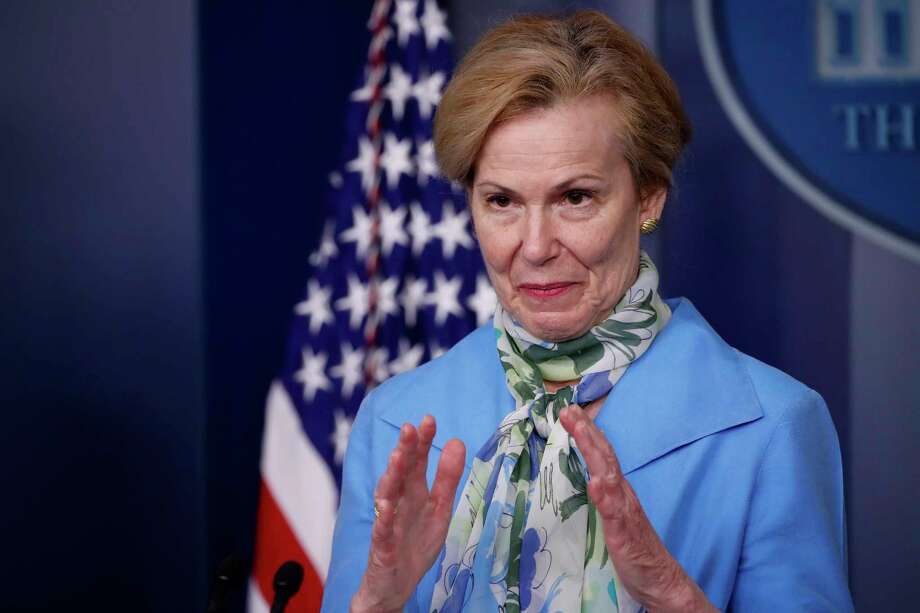
Anche la scienziata Dr. Deborah Birx si unisce al Dr. Fauci nel dire che la situazione sanitaria sta peggiorando


Trump adviser pleads for 'more aggressive action' against virus as president downplays threat

Lena H. Sun and Josh Dawsey, The Washington Post


Photo: Alex Brandon, AP

Dr. Deborah Birx, White House coronavirus response coordinator, speaks about the coronavirus in the James Brady Press Briefing Room of the White House, Tuesday, April 21, 2020, in Washington.

WASHINGTON - A top White House coronavirus adviser sounded alarms Monday about a new and deadly phase in the health crisis, pleading with top administration officials for "much more aggressive action" even as President Donald Trump continues to assure rallygoers that the nation is "rounding the turn" on the pandemic.

"We are entering the most concerning and most deadly phase of this pandemic . . . leading to increasing mortality," said the Monday report from Deborah Birx, coordinator of the White House coronavirus task force. "This is not about lockdowns - It hasn't been about lockdowns since March or April. It's about an aggressive balanced approach that is not being implemented."

Birx's internal report, shared with top White House and agency officials, contradicts Trump on numerous points: While the president holds large campaign events with hundreds of attendees, most without masks, she explicitly warns against them. While the president blames rising cases on more testing, she says testing is "flat or declining" in many areas where cases are rising. And while Trump says the country is "rounding the turn," Birx notes that the country is entering its most dangerous period yet and will see more than 100,000 new cases a day this week.

Washington DC in emergenza. Grande palizzata antiuomo intorno alla Casa Bianca


I negozi cercano di salvare le vetrine

Tensions escalate in some areas ahead of Election Day

Washington (CNN)Federal authorities are expected to put back into place a "non-scalable" fence around the entire perimeter of the White House on Monday as law enforcement and other agencies prepare for possible protests surrounding the election, a source with knowledge of the matter confirmed to CNN.
The fence, the same type that was put up during protests this summer, will encompass the Ellipse and Lafayette Square. It will go down 15th Street to Constitution Avenue and then over to 17th Street. The fence will then run up to H Street and across by Lafayette, and then come down 15th Street, the source said.
NBC News was first to report the new fencing. The Secret Service did not respond to a request for comment.
The extra layer of security marks the most high-profile example to date of authorities preparing for unrest following this year's election, particularly if there is no clear winner come November 4.
As CNN previously reported, the immediate perimeters around the White House have already been largely blocked off to the public this year for a range of reasons, from construction on the White House gate, to protests and looting that occurred in downtown Washington in the wake of the police killing of George Floyd in Minneapolis in May.
Lafayette Park, across the street from the north side of the White House and a popular protest gathering spot, had also largely been fenced-in since police aggressively moved in on protesters alongside it in July.
Washington, DC, Metro Police Chief Peter Newsham warned the District's City Council last month there was wide expectation of some type of civil unrest following the election. And many businesses in the downtown DC area in the proximity of the White House have boarded up doors and windows in the last couple of days in anticipation of possible protests.
During this past summer, some businesses saw their windows smashed and other property damaged by protesters.
But DC Metro police have been preparing its officers for well over a year, as it does ahead of every general election, ensuring that they are prepared to handle everything from civil disturbance to crowd control to potential disruptions to metro transit, Patrick Burke, executive director of the Washington, DC, Police Foundation, previously told CNN.
Police have also been working with intelligence officials to ensure the security of Washington, DC's airspace in the event of an attack from above, Burke added, as they routinely do when preparing for moments of heightened anxiety.
"If there's no winner, you will see significant deployments of officers at all levels across the capital," said Burke. "Officers will get cancellations of days off, extensions of shifts and full deployments of officers across the city."

CNN's Vivian Salama contributed to this report.


Rilanciare gli investimenti per scongiurare la catastrofe economica e sociale

Inerzia da Covid: investimenti congelati, così il Paese è senza futuro

Articolo di Romano Prodi su Il Messaggero del 1 novembre 2020

Debbo confessare che, negli ormai lunghi anni nei quali mi sono dedicato a riflettere sullo stato dell’economia italiana, non mi sono mai trovato nella situazione di difficoltà e di incertezza in cui oggi mi trovo.

Nei giorni scorsi avevamo potuto tirare un sospiro di sollievo nel constatare che il PIL aveva dato un segnale di ripresa più forte di ogni previsione. Ci stavamo perfino comportando meglio della maggior parte degli altri paesi europei. Parlo naturalmente non di dati positivi in assoluto, ma del miglioramento rispetto al disastro del trimestre precedente.

Questo ha spinto, per un attimo, a pensare che questo brutto 2020 poteva chiudersi con una caduta del PIL attorno all’8%, cioè con un crollo inferiore a quello stimato in  precedenza. Questo minore pessimismo era confermato da altri indicatori, come il consumo di energia elettrica, ormai al livello dello scorso anno.

Il respiro di sollievo è tuttavia rimasto solo un respiro perché, nel frattempo, è arrivata la seconda ondata del Covid-19. Nessuna previsione può essere ora fondata su basi precise, anche perché questa ripresa della pestilenza sta sconvolgendo, in molti casi con maggiore intensità, anche i paesi europei con i quali abbiamo i più stretti rapporti economici.

Il futuro dipenderà quindi dall’evoluzione della pandemia e dalla strategia di intervento dell’Europa e dei governi che, a differenza di quanto sarebbe avvenuto in passato in presenza di eventi simili, possono disporre di robuste risorse aggiuntive e di una ancora più robusta possibilità di indebitarsi.

Di questa possibilità noi italiani stiamo largamente approfittando: il deficit di bilancio è previsto superare il 10% del PIL. Le decisioni di spesa si sono finora comprensibilmente concentrate nell’aiutare le categorie più deboli, sostenendo con denaro pubblico coloro che sono stati più colpiti dalla pandemia e dalle misure prese per arginarla.

Uno sforzo quantitativamente gigantesco, ma che non poteva e non potrà essere in grado di riparare a tutti i danni che il Covid-19 ci ha portato e ci porterà. Di qui le proteste di tutte le categorie che, in questo processo redistributivo, si ritengono sfavorite dagli impegni del governo.

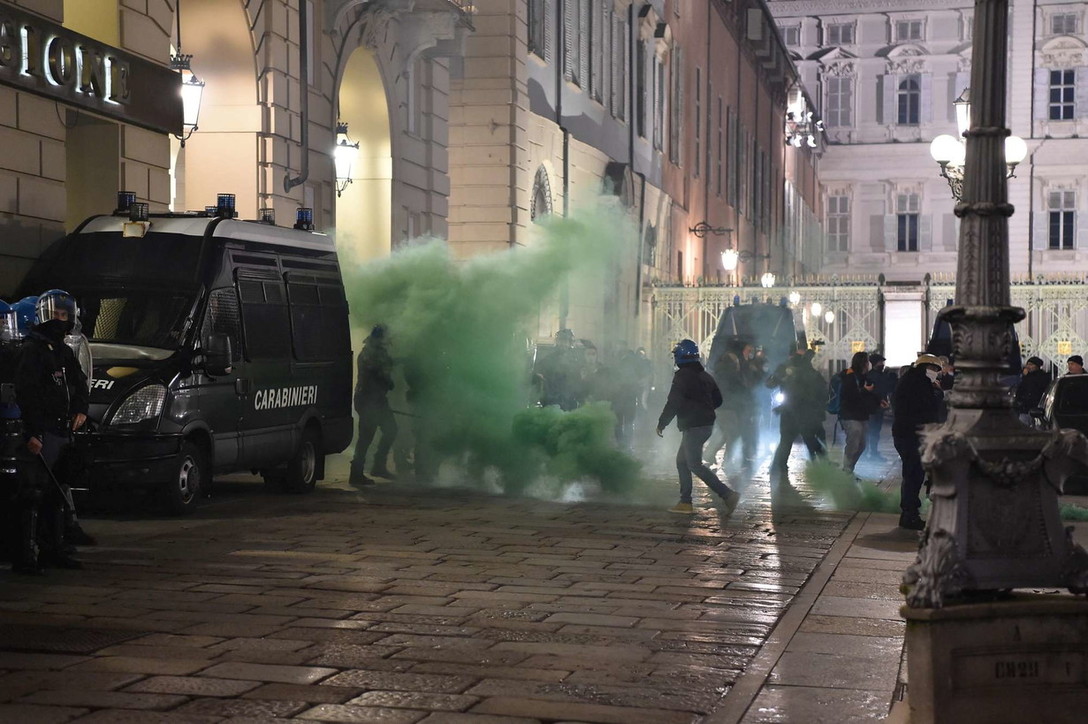
Questi impegni, come è stato rigorosamente elencato ieri nelle pagine di questo stesso giornale, coprono solo una quota minoritaria del danno subito. Alle proteste si sono poi aggiunti inammissibili atti di violenza da parte di gruppi e di persone che, ovviamente, non hanno nulla a che fare con le categorie danneggiate.

Ci troviamo quindi di fronte ad una fase di incertezza ancora più acuta, perché non sappiamo quali ulteriori restrizioni dovranno essere prese e quanto dovranno durare. Nello stesso tempo siamo consapevoli che, fra l’aumento delle spese sanitarie, le esenzioni fiscali, il prolungamento della Cassa Integrazione e i sussidi alle diverse categorie, le risorse pubbliche destinate alla riparazione dei danni stanno raggiungendo un limite invalicabile. Diventa perciò necessario e urgente destinare tutte le possibili risorse aggiuntive agli investimenti dedicati a evitare la futura catastrofe della nostra economia e a preparare la ripresa, senza la quale non ci libereremo mai dal peso del debito pubblico.

Se i sussidi si rivelano insufficienti, gli investimenti sono del tutto latitanti.  Parlo sia degli investimenti pubblici che di quelli privati.

Dal punto di vista temporale mi rendo conto che gli investimenti privati possono partire solo in un quadro di maggiore certezza degli orizzonti economici, oggi molto confusi e destinati a cambiare radicalmente, anche se vi sono processi di ammodernamento delle strutture produttive, come la digitalizzazione e la preparazione degli specialisti, ormai chiari e immediatamente percorribili.

Imperdonabile è invece la perdurante inerzia degli investimenti pubblici nelle nuove e nelle vecchie infrastrutture necessarie per aumentare la nostra produttività. La frammentazione dei processi decisionali volti ad utilizzare le risorse del Recovery Fund non può che aggravare questo ritardo, anche se tutti sappiamo che il primo passo per uscire da una crisi deve essere compiuto da un grande progetto di investimenti pubblici.

Nel nostro caso bisogna aggiungere un’importante osservazione aggiuntiva.

Come è stato messo in rilievo in occasione della giornata del risparmio, più la crisi si aggrava più le nostre banche si riempiono dei denari delle imprese e dei cittadini che, incerti sul futuro, risparmiano tutto quello che possono e spendono il meno che possono.

Se non utilizziamo queste enormi risorse per preparare il nostro futuro, non usciremo mai dalla crisi. Senza una politica di nuovi investimenti mancheranno, infatti, anche i mezzi per pagare i sussidi.

Come siamo messi, secondo il Dottor Fauci

‘A whole lot of hurt’: Fauci warns of covid-19 surge, offers blunt assessment of Trump’s response

President Trump’s repeated assertions the United States is “rounding the turn” on the novel coronavirus have increasingly alarmed the government's top health experts, who say the country is heading into a long and potentially deadly winter with an unprepared government unwilling to make tough choices.

“We’re in for a whole lot of hurt. It’s not a good situation,” Anthony S. Fauci, the country’s leading infectious-disease expert, said in a wide-ranging interview late Friday. “All the stars are aligned in the wrong place as you go into the fall and winter season, with people congregating at home indoors. You could not possibly be positioned more poorly.”

Fauci, a leading member of the government’s coronavirus response, said the United States needed to make an “abrupt change” in public health practices and behaviors. He said the country could surpass 100,000 new coronavirus cases a day and predicted rising deaths in the coming weeks. He spoke as the nation set a new daily record Friday with more than 98,000 cases. As hospitalizations increase, deaths are also ticking up, with more than 1,000 reported Wednesday and Thursday, bringing the total to more than 230,000 since the start of the pandemic, according to health data analyzed by The Washington Post.

Fauci’s blunt warnings come as Trump has rallied in states and cities experiencing record surges in infections and hospitalizations in a last-ditch effort to convince voters he has successfully managed the pandemic. He has held maskless rallies with thousands of supporters, often in violation of local health mandates.

Even as new infections climb in 42 states, Trump has downplayed the virus or mocked those who take it seriously. “Covid-19, covid, covid, covid,” he said during one event, lamenting that the news media gives it too much attention. In another rally, he baselessly said that U.S. doctors record more deaths from covid-19, the disease the coronavirus causes, than other nations because they get more money.

“I mean our doctors are very smart people. So what they do is they say, ‘I’m sorry but everybody dies of covid,’ ” Trump said Friday at a rally in Waterford Township, Mich., without offering any evidence.


By contrast, former vice president Joe Biden and Sen. Kamala D. Harris have consistently worn masks in public, and have held socially distanced events. When two people around Harris tested positive for the coronavirus in October, she canceled travel for several days. Asked about the difference between their approaches, Fauci said Biden’s campaign “is taking it seriously from a public health perspective.” Trump, Fauci said, is “looking at it from a different perspective.” He said that perspective was “the economy and reopening the country.”

Fauci, who once took a starring role in the response and briefed the president almost every day as director of the National Institute of Allergy and Infectious Diseases, described a disjointed response as cases surge. Several current and former senior administration officials said the White House is almost entirely focused on a vaccine, even though experts warn it is unlikely to be a silver bullet that ends the pandemic immediately since it will take months under the best of circumstances to inoculate tens of millions of people to achieve herd immunity.

Officials told governors on a call Friday that they hoped to begin distributing a vaccine by the end of the year, giving some specific guidance on how states would receive their first doses. Fauci focused on the rise in cases, according to people familiar with the call.


Fauci said the White House coronavirus task force meets less frequently and has far less influence as the president and his top advisers have focused on reopening the country. “Right now, the public health aspect of the task force has diminished greatly,” he said.

Fauci said he and Deborah Birx, coronavirus task force coordinator, no longer have regular access to the president and he has not spoken to Trump since early October. “The last time I spoke to the president was not about any policy; it was when he was recovering in Walter Reed, he called me up,” he said. Fauci said he phones into meetings of other staffers but largely avoids the West Wing because “of all the infections there.”

He also lamented that Scott Atlas, a neuroradiologist and Trump’s favored pandemic adviser, who advocates letting the virus spread among young healthy people and reopening the country without restrictions, is the only medical adviser the president regularly meets with.


“I have real problems with that guy,” Fauci said of Atlas. “He’s a smart guy who’s talking about things that I believe he doesn’t have any real insight or knowledge or experience in. He keeps talking about things that when you dissect it out and parse it out, it doesn’t make any sense.”

Fauci said he actually appreciated chief of staff Mark Meadows saying last weekend on CNN that the administration was not going to control the pandemic. “I tip my hat to him for admitting the strategy,” he said. “He is straightforward in telling you what’s on his mind. I commend him for that.”

At one point during the interview, Fauci said he needed to be careful with his words because he would be blocked from doing appearances in the future.

Judd Deere, a White House spokesman, offered blistering criticism of Fauci for his comments in a statement to The Washington Post on Saturday. Deere said Fauci “knows the risks [from the coronavirus] today are dramatically lower than they were only a few months ago.”


“It’s unacceptable and breaking with all norms for Dr. Fauci, a senior member of the President’s Coronavirus Task Force and someone who has praised President Trump’s actions throughout this pandemic, to choose three days before an election to play politics,” Deere said. “As a member of the Task Force, Dr. Fauci has a duty to express concerns or push for a change in strategy, but he’s not done that, instead choosing to criticize the President in the media and make his political leanings known by praising the President’s opponent — exactly what the American people have come to expect from The Swamp.”

Deere added that the president “always put the well-being of the American people first,” citing his decision to cut off travel from China, his early shutdown of the country and his mobilization of the private sector to deliver critical supplies and develop treatments and vaccines.

Fauci’s candid warnings about the threat of the virus have angered the president, who has mocked the scientist for his prognostications early in the outbreak — for instance, saying that masks were not necessary — and even for his baseball pitch. “People are tired of hearing Fauci and these idiots, all these idiots who got it wrong,” Trump said during one rally in October.


Some White House advisers have been leery of a public fight with Fauci — knowing his popularity is higher than that of the president. But they’ve also grown frustrated by his media appearances and complain he is too focused on his personal reputation and is “not on the team,” said one senior administration official who spoke on the condition of anonymity because he was not authorized to comment. The doctor has become loathed among many Trump supporters, and Fauci has told others that he has experienced a surge in harassment and threats.

White House spokespeople did not offer comments from either Atlas or Birx despite being asked several times.

Several senior administration officials and outside advisers described a White House overwhelmed by the pandemic, with a feeling of helplessness over the inability to curb its spread without also throttling the economy or damaging the president’s reelection chances.


“People need to take a step back and be humble about this,” said Joe Grogan, the former head of the domestic policy council under Trump. “Nobody, regardless of political party or ideology, should be getting arrogant about how they have this figured out.”

However, the campaign trail message that life is returning to normal underscores how little the president and White House have focused on the pandemic beyond pushing for development and approvals of vaccines and treatments. With the clearance of a vaccine unlikely until year’s end, that raises questions about what happens after Election Day, during what is projected to be the worst stretch yet of the pandemic. The Trump administration will be in charge of managing the pandemic until at least Jan. 20, no matter who wins.

“We need to plan now for how we turn the corner in 2021, and one thing we should be doing is laying the foundation to get public schools reopened in the late winter or early spring,” said Trump’s former Food and Drug Administration commissioner, Scott Gottlieb. “If we don’t plan now, we’ll lose the opportunity to prioritize opening what should be most important to us, just as we lost that chance in the fall because we didn’t plan appropriately this summer.”


Without the ear of the president or other top White House officials, Fauci and other health experts believe the most effective thing they can do is get the public health message out through local and national television media interviews. Birx, the coronavirus coordinator, has traveled across the country in recent weeks delivering blunt advice to state and local leaders grappling with surges of infections, hospitalizations and deaths.

“The thing we can do is to try to get the message out,” Fauci said.

Earlier in the pandemic, Fauci said he and Birx would agree on a message that Birx, who works out of the White House and once met with the president almost every day, would deliver to Trump.

“All of a sudden, they didn’t like what the message was because it wasn’t what they wanted to do anymore,” he said. “They needed to have a medical message that was essentially consistent with what they were saying.

“And one of the ways to say the outbreak is over is [to say] it’s really irrelevant because it doesn’t make any difference. All you need to do is prevent people from dying and protect people in places like the nursing homes,” Fauci said. “And because of that, Debbie almost never ever sees the president anymore. The only medical person who sees the president on a regular basis is Scott Atlas. It’s certainly not Debbie Birx.”

Although Trump, Atlas and other top officials say their strategy is to “protect the vulnerable,” health experts say the administration has not done enough to protect those in nursing homes. The administration has sent tests to nursing homes and other hard-hit communities, but not nearly the number that experts say are needed. Many nursing homes are also experiencing shortages of personal protective equipment, personnel and other critical supplies that the administration has not sufficiently addressed.

While Atlas has publicly rebutted assertions that he promotes a herd immunity strategy, he recently endorsed the Great Barrington Declaration — a document named after the town in Massachusetts where it was unveiled on Oct. 4 at a libertarian think tank — that calls for allowing the coronavirus to spread freely at “natural” rates among healthy young people, while keeping most aspects of the economy up and running.

“He insists he’s not somebody who’s pushing for herd immunity,” Fauci said of Atlas. “He says, ‘That’s not what I mean.’ [But] everything he says — when you put them together and stitch them together — everything is geared toward the concept of ‘it doesn’t make any difference if people get infected. It’s a waste of time. Masks don’t work. Who cares,’ and the only thing you need to do is protect the vulnerable, like people in the nursing homes,” Fauci said.

Fauci said that many people who catch the virus recover “virologically” but will have chronic health problems.

“The idea of this false narrative that if you don’t die, everything is hunky dory is just not the case,” he said. “But to say, ‘Let people get infected, it doesn’t matter, just make sure people don’t die’ — to me as a person who’s been practicing medicine for 50 years, it doesn’t make any sense at all.”

A similar assessment was offered by Tom Bossert, the former homeland security adviser in the Trump administration. “It sounds alluring,” Bossert said. “It sounds so seductive. It’s not possible. Math makes it irresponsible to even try and say it.”

Fauci and other top health experts applauded the substantial growth in expertise about how to treat covid-19 since last spring that has led to a dramatic reduction in death rates.

“Even though we’re getting challenged with more cases,” he said, “the medical system is much better prepared to take care of seriously ill people, so that’s the reason why I think the surge of cases is going to be counterbalanced by better experience.”

Nonetheless, he and others said they are worried about regions of the country that may be ill-prepared to deal with a winter surge of infections, including Midwestern and Western states because they have limited intensive care beds, as well as nurses who can treat growing numbers of covid-19 patients.

“It’s much more about some of the states like Utah, Nevada, South Dakota, North Dakota, where … they never had a pretty good reserve of intensive care beds and things like that. I hope they’ll be okay, but it’s still a risk that, as you get more surging, they’re going to run out of capacity,” Fauci said.