Translate

C'e' razzo e razzo


Falcon Heavy e' partito alle 16 50 del 6 febbraio 2018 ora di Washington DC.

I razzi laterali sono ritornati perfettamente sulle basi allestite nell'oceano mentre il razzo proseguiva verso la sua orbita con a bordo la star delle auto Tesla prodotte da quel genio rinascimentale che risponde al nome di Elon Musk.
Questo lancio apre la strada al programma Marte al quale Musk sta lavorando da qualche anno con la previsione di portare in milione di persone ad abitare nel pianeta rosso.

La folla composta in gran parte anche da centinaia di tecnici che hanno lavorato alla progettazione, costruzione e lancio del razzo più potente del mondo riempe il sonoro con le proprie  grida di incitamento e esultanza.

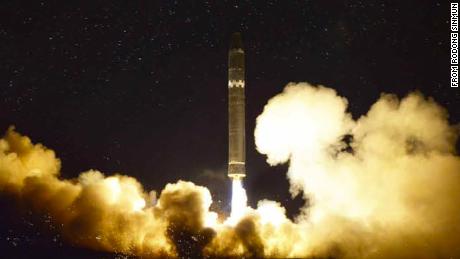
Un contrasto automatico di immagini con quelle del dittatore nordcoreano intento a verificare, si fa per dire, le attrezzature per il lancio dei suoi razzi che dovranno portare testate nucleari contro gli Stati Uniti.

E allora uno sente di amare questo paese nonostante la depressione che assale milioni di americani, noi compresi, per le intemperanze, le sbandate, le offese distribuite a piene mani dal clown che occupa la Casa Bianca.

Perché è proprio questa America, il paese che riesce, grazie alla genialità di alcuni suoi abitanti, a dare una impronta significativa a settori produttivi che poi influenzeranno e modificheranno gran parte della tecnica, scienza, economia mondiale. Il paese che grazie alla tenacia, voglia di impegnarsi di 327 milioni di abitanti rimane la garanzia democratica per il resto del mondo.

Mentre il Falcon Heavy si alzava dalla rampa di lancio di Cape Canaveral i giornali italiani mettevano in prima pagina notizie e storie correlate del festival della canzone di Sanremo.

Lo diciamo senza osare di fare sarcasmo perché ognuno si esprime come può: gli americani con Donald Trump e il mega razzo di Elon Musk.

Gli italiani con quello che sanno fare meglio ovvero la musica, la poesia, le arti liberali e la naturale e tradizionale incapacità di gestirsi con una politica seria.

Oscar
_______________________________________________
Sanremo al via con contestatore  La diretta Show di Fiorello: “ruba” la scena a Claudio Il Festival dimentica i  60 anni di “Volare” Alpini: “Baglioni ci ha offesi” |  Speciale | Video

__________________________________________________

Per il tuo inarrivabile Blog.
Caro Oscar,

certo sei stato un po' spietato nel paragonare la potenza missilistica degli USA con le canzonette di Saremo, ma è la pura verità.
Dove siamo uguali, o forse addirittura superiori, è nel chi spara balle più grosse: il fanfarone Trump al cospetto dei nostri italici politici in campagna elettorale (siamo ad un mese dalle elezioni) perde la faccia. I nostri leader farebbero ridere se, in verità, non ci fosse altro che da piangere, qui nel Bel Paese. Sarebbero perfetti come clown per il teatro Ariston di Sanremo che proprio oggi ha iniziato la sua ormai trita ritualità canora, buona solo per riciclare pagliacci ed escort  di regime che presentano meccanicamente e senza pathos uno spettacolo che puzza di stantio lontano un miglio.
Ormai non c'è più in Italia un Pavarotti che faceva esplodere il Metropolitan di NY cantando My Way con Frank Sinatra in prima fila che applaudiva.
E' vero, c'è razzo e razzo, ma se rimane oggi evidente la potenza astrale americana, la nostra potenza nei confronti del resto del mondo rimane ancora al povero livello di quando De Gasperi fu ammesso, grazie alla Resistenza, ma col cappello in mano, al tavolo dei potenti che avevano vinto the second world war e diviso, l'11 Febbraio 1945 a Yalta in Crimea, lo scacchiere mondiale.
Eppure non possiamo far altro che continuare, da uomini del dubbio, a cercare la Via per il bene ed il progresso dell'Umanità.

Dario Seglie, Italy

_________________________________________________

Grazie. 

Sempre complimentissimi. 

Ciao, Catello

______________________________________________________  
Oscar , sono il vecchio Adalberto , che ti manda un abbraccio.

Scrivi benissimo!
_______________________________________________________
Bell'articolo, grazie Oscar.
Avevo dimenticato il Festival di Sanremo....SIGH!
C'e' un'altra data che accomuna i nostri due paesi, l'Italia e gli USA: il 4 marzo. Quel giorno noi avremo gli Oscars e loro le elezioni! Spero commenterai su questa coincidenza, e sui due modi di far spettacolo!
Un abbraccio da Los Angeles,

Emanuela
___________________________________________________
Caro Oscar,
L'amico Sceglie ha ben descritto cosa accomuna e non i due Paesi. Purtroppo il Panem et Circenses che gli Imperatori romani ammannavano al popolo è la tradizione imperitura del ns. paese: il caccia guai. Napoli si ferma totalmente per il Festval della canzone napoletana e metà dell'Italia si ferma per il Festival di San Remo. Fortunatamente quasi una metà continua a lavorare per pagare lo Stato col proprio lavoro fino al 23 giugno di ogni anno e per il restante per vivere (o sopravvivere) la propria vita. Da noi si dice che vincerà (o si piazzerà bene) chi le spara più grosse e che i populisti saranno i primi, col pericolo di un'autarchia fascista in arrivo. Tutto falso! Il Segretario del PD ben si difende e risponde  sparando anche lui balle a tempesta e comunque .... contro la fascistizzazione del paese rimane sempre l'inossidabile Pippo Baudo col Festival di San Remo per far gioire le masse.
Un abbraccio
Aldo
______________________________________________________
Oscar,
la tua colonna C'e' razzo e razzo mi pare un po' esagerata ponendo sul piedistallo gli USA e 
l'Italia ben a terra. Recentemente, abbiamo avuto ampie dissertazioni per tv e giornali anche qui
sui Golden Globes, Critic's Choice, PGA, Academy Awards nominations, Grammy e non parliamo del Super Bowl ecc. ecc. Dipende semplicemente dal calendario.... Mentre sono d'accordo sull'eminenza degli USA in vari campi di tecnologia, mi sembra che stiamo per perderla rapidamente nei prossimi mesi o anni a favore specialmente della Cina con un president che inneggia al "carbone, bello e pulito" riportandoci al XIX secolo mentre sta eliminando fondi ed impone tariffe molto alte su tecnologia per fonti di energia veramente pulite (solare, eolica ecc) e sta eliminando molte se non tutte le protezioni alla natura dall'Alaska al sud profondo in cerca di petrolio e minerali tradizionali... La sua richiesta adesso che ci sia un' imponente parata militare a Washington, che costera' milioni di dollari che non abbiamo o che sono sottratti a campi piu/ meritevoli, e'  un segnale abbastanza negativo per sottolineare il potere USA di distruzione, morte ed annientamento piu' che di creazione, innovazione, e progresso... A Washington non abbiamo neppure un metro che funzioni decentemente...certi aeroporti (New York Newark and anche JFK per esempio)  sono veramente dei pollai e cosi via.... Il tuo inneggiare agli USA per lanciare un razzo pesante mi sembra esagerato date le condizioni attuali e la politica corrente del governo in funzione.... Se fosse accaduto domenica o lunedi scorso, non se ne sarebbe neppure parlato con preferenza  per il football americano....
Emilio Viano
----------------------------------------------------------------------------------
Mi scusi Oscar,
ma Elon Musk è sudafricano. 
Saluti
Germana 

(Oscar:Ha passaporto sudafricano, canadese e Americano)


Il doppio paradosso

Guido Colomba

Due paradossi. Il debito che Stati e imprese hanno contratto in tutto il mondo ha raggiunto la cifra record di 230 mila miliardi di dollari. Se i tassi aumentano c'è il rischio di un travaso dall'equity ai bond con una conseguente forte correzione. Dunque, il QE (stimolo monetario) delle banche centrali è entrato in una fase molto fluida ed i mercati traggono le conseguenze. Il segnale è arrivato venerdì scorso con il ribasso di tutte le borse. Il secondo paradosso riguarda Amazon che, da sola, ha messo a punto una manovra da 68 miliardi di dollari (di cui 38 miliardi di tasse sui 252 miliardi che detiene all'estero) oltre ad un programma di investimenti per 350 miliardi nei prossimi cinque anni con la creazione di 20mila posti di lavoro (il tasso di disoccupazione negli Usa è sceso al minimo storico del 4,8% ma c'è il problema del lavoro precario sottopagato). Al tempo stesso, il tasso di risparmio è diminuito al 2,4%, ai livelli del 2005, cui si contrappone il debito al consumo delle famiglie Usa ai massimi storici. Cosa significa tutto ciò? La retorica della crescita contrapposta alla inflazione ha creato molte zone d'ombra. Il fatto più significativo é il ritorno da protagonista della politica industriale. E' quello che sta facendo Trump per rilanciare investimenti e occupazione. L'Europa e l'Italia sono chiaramente in ritardo. "Dimentichiamoci della curva di Phillips - afferma Ray Dallo capo del fondo hedge Bridgewater - la tecnologia sta cambiando totalmente la relazione tra crescita e inflazione". Il mondo è stravolto dalla rivoluzione digitale. Non a caso anche il Fmi comincia a ridurre l'enfasi sul ciclo valorizzando i parametri della qualità. I dubbi degli economisti sul target del 2% di inflazione sono divenuti pervasivi. Meglio più inflazione che rischiare una nuova crisi del debito. Tuttavia, il quadro previsionale può essere alterato da una improvvida guerra delle valute. Guardiamo i dati mensili della Bri (Banca dei Regolamenti Internazionali) scegliendo come "starting point" l'ottobre 2016, vigilia delle elezioni americane. In effetti il dollaro risulta indebolito del 3% mentre l'euro si è apprezzato di altrettanto a conferma di una sostanziale intesa tra Fed e Bce con ciò ridimensionando a livello di "fake news" l'idea di un euro forte. Allargando l'orizzonte, vediamo che la Cina ha rivalutato in dieci anni di quasi il 40% andando incontro alle richieste della Fed. Fa eccezione lo yen che ha effettuato una forte svalutazione ottenendo un netto miglioramento dell'economia. Sono le ragioni di scambio a dare il concetto di cambio effettivo confrontando tutte le valute rispetto agli scambi reali. Dunque, al momento su questo fronte non vi sono motivi di allarme. Resta il problema dei bitcoin. Il Mef ha mandato in consultazione pubblica lo schema di decreto per censire gli operatori delle valute blochchain estendendo l'iscrizione obbligatoria anche per gli esercenti che le accettano in pagamento. C'è allarme presso le banche centrali. Eppure, anche le Sgr bancarie usano la blockchain per adeguarsi alle dinamiche di mercato (rendimenti e Mifid2). In pratica, la rivoluzone digitale blochchain sta spingendo il settore del risparmio gestito verso una trasformazione dei modelli distributivi. In taluni casi è in corso una lotta darwiniana per la sopravvivenza.

‘We Are Doing Putin’s Job For Him’

Questo e il 'memo' che sta tenendo inchiodata l'America sempre piu' polarizzata in due parti. Si tratta di un colpo di mano messo in essere dal presidente del comitato di intelligence, il repubblicano Nunes molto vicino al presidente Donald Trump.
Tre pagine e mezzo che nelle intenzioni del presidente americano dovrebbero dimostrare la inaffidabilità dello FBI che deve essere riformato, a cominciare dal suo vertice (appena rinnovato).
Quando si è diffusa la notizia che il presidente Donald Trump avrebbe declassificato un documento interno dello FBI, i dirigenti di questa importante intelligence hanno diffuso preoccupati avvertimenti, mettendo in evidenza il grave danno che questa istituzione avrebbe ricevuto dalla pubblicazione del memo.
Analoghe preoccupazioni sono state espresse a livello del ministero di giustizia mentre i media conservatori, a cominciare dalla Fox, iniziavano una campagna contro lo FBI e il ministero della giustizia. Obiettivi questi da tempo nell'arco delle dichiarazioni pubbliche di Donald Trump che ne prevedeva il licenziamento.
Lo scopo primario della declassificazione di questo memo, secondo le stesse dichiarazioni fatte a collaboratori da Donald Trump, e' quello di squalificare di fronte all'opinione pubblica americana l'indagine condotta dal consigliere speciale Robert Mueller, nella quale sembrano pesantemente coinvolti sia il presidente che i figli, il genero ed altri esponenti del team presidenziale.
L'indagine sta mirando a dimostrare la responsabilita' di Trump nei rapporti con Putin che ha contaminato le elezioni presidenziali americane del novembre 2016.
La situazione è in continua evoluzione e da parte democratica si parla apertamente di una profonda crisi costituzionale.
Il senatore repubblicano John McCain ha dichiarato: ‘We Are Doing Putin’s Job For Him’.
Il memo contiene le annotazioni fatte da i giornalisti della National Public Radio.
___________________________________________

January 18, 2018

Declassified by order of the President on February 2, 2018


To: HPSCI Majority Members

From: HPSCI Majority Staff

The Nunes memo, as it has come to be known, was compiled by members of the Republican staff on the House intelligence committee. On Monday, the committee voted along party lines to release the memo.

Subject: Foreign Intelligence Surveillance Act Abuses at the Department of Justice and the Federal Bureau of Investigation

Purpose
This memorandum provides Members an update on significant facts relating to the Committee's ongoing investigation into the Department of Justice (DOJ) and Federal Bureau of Investigation (FBI) and their use of the Foreign Intelligence Surveillance Act (FISA) during the 2016 presidential election cycle. Our findings, which are detailed below, 1) raise concerns with the legitimacy and legality of certain DOJ and FBI interactions with the Foreign Intelligence Surveillance Court (FISC), and 2) represent a troubling breakdown of legal processes established to protect the American people from abuses related to the FISA process.
Investigation Update
On October 21, 2016, DOJ and FBI sought and received a FISA probable cause order (not under Title VII) authorizing electronic surveillance on Carter Page from the FISC. Page is a U.S. citizen who served as a volunteer advisor to the Trump presidential campaign. Consistent with requirements under FISA, the application had to be first certified by the Director or Deputy Director of the FBI. It then required the approval of the Attorney General, Deputy Attorney General (DAG), or the Senate-confirmed Assistant Attorney General for the National Security Division.
The FBI and DOJ obtained one initial FISA warrant targeting Carter Page and three FISA renewals from the FISC. As required by statute (50 U.S.C. §1805(d)(1)), a FISA order on an American citizen must be renewed by the FISC every 90 days and each renewal requires a separate finding of probable cause. Then-Director James Comey signed three FISA applications in question on behalf of the FBI, and Deputy Director Andrew McCabe signed one. Then-DAG Sally Yates, then-Acting DAG Dana Boente, and DAG Rod Rosenstein each signed one or more FISA applications on behalf of DOJ.
Note where this list ends — the requests for surveillance continued out of the Obama administration and into the Trump administration. This is one reason conspiracy theories about biased Democrats inside the national security infrastructure don’t hold up: Acting Deputy Attorney General Dana Boente and Deputy Attorney General Rod Rosenstein were put in place by President Trump and, in Rosenstein’s case, confirmed by Republicans in the Senate. And even they, according to this, thought there was sufficient evidence to continue surveillance. The presence of Rosenstein on this list is why some people believe he could be the next target in Republicans’ concerted attacks on what they call FBI and Justice Department political bias — or that Trump might try to fire Rosenstein for his role in what Trump and his allies call a scurrilous investigation. Asked on Friday whether he still has confidence in Rosenstein, the president said, “You figure that one out.”
What the memo omits is that according to former counterintelligence specialists, the Foreign Intelligence Surveillance Court also requires that a warrant produce foreign intelligence. So if the FBI requests and gets a warrant on someone, monitors the subject and the subject doesn’t make contact with a foreign spy or take part in other suspicious activity, the surveillance must cease. The renewals suggest that the monitoring of Carter Page the FBI was doing yielded sufficient material that judges authorized it to continue.
Due to the sensitive nature of foreign intelligence activity, FISA submissions (including renewals) before the FISC are classified. As such, the public's confidence in the integrity of the FISA process depends on the court's ability to hold the government to the highest standard ­— particularly as it relates to surveillance of American citizens. However, the FISC's rigor in protecting the rights of Americans, which is reinforced by 90-day renewals of surveillance orders, is necessarily dependent on the government's production to the court of all material and relevant facts. This should include information potentially favorable to the target of the FISA application that is known by the government. In the case of Carter Page, the government had at least four independent opportunities before the FISC to accurately provide an accounting of the relevant facts. However, our findings indicate that, as described below, material and relevant information was omitted.
Here is the core of Republicans’ charges of political bias by the FBI and the Department of Justice. Officials, per this, had information that, as we will see later in this memo, showed dossier author Christopher Steele didn’t like Trump, that Steele’s work had been underwritten by Democrats and that the Steele dossier was unverified. Republicans say the FBI and DOJ  knowingly didn’t give that information to the court. The FBI and Justice Department argue that all this information has been cherry-picked to make a political case, and the FBI has said the memo has “material omissions of fact.” But all the underlying documents and procedures are supersecret. So we can’t see the full sheaf of evidence or other aspects of the matter.
1) The "dossier" compiled by Christopher Steele (Steele dossier) on behalf of the Democratic National Committee (DNC) and the Hillary Clinton campaign formed an essential part of the Carter Page FISA application. Steele was a longtime FBI source who was paid over $160,000 by the DNC and Clinton campaign, via the law firm Perkins Coie and research firm Fusion GPS, to obtain derogatory information on Donald Trump's ties to Russia.
  1. Neither the initial application in October 2016, nor any of the renewals, disclose or reference the role of the DNC, Clinton campaign, or any party/campaign in funding Steele's efforts, even though the political origins of the Steele dossier were then known to senior DOJ and FBI officials.
  2. The initial FISA application notes Steele was working for a named U.S. person, but does not name Fusion GPS and principal Glenn Simpson, who was paid by a U.S. law firm (Perkins Coie) representing the DNC (even though it was known by DOJ at the time that political actor were involved with the Steele dossier). The application does not mention Steele was ultimately working on behalf of — and paid by — the DNC and Clinton campaign, or that the FBI had separately authorized payment to Steele for the same information.
2) The Carter Page FISA application also cited extensively a September 23, 2016, Yahoo News article by Michael Isikoff, which focuses on Page's July 2016 trip to Moscow. This article does not corroborate the Steele dossier because it is derived from information leaked by Steele himself to Yahoo News. The Page FISA application incorrectly assesses that Steele did not directly provide information to Yahoo News. Steele has admitted in British court filings that he met with Yahoo News — and several other outlets — in September 2016 at the direction of Fusion GPS. Perkins Coie was aware of Steele's initial media contacts because they hosted at least one meeting in Washington D.C. in 2016 with Steele and Fusion GPS where this matter was discussed.
This is an example of another problem, Republicans say, with the work of the FBI and the Justice Department. In the conspiracy telling, biased officials cited reports in the press as the basis for undertaking surveillance — and what’s more, the sources cited in the press were the same as they were using elsewhere. In other words, they were both quoting Steele’s dossier to the Foreign Intelligence Surveillance Court judges and quoting this Yahoo News story, even though Steele was the source in both cases. Without knowing more about the rest of the evidence in the government’s warrant application to the court, however, there’s no way to know how much emphasis it put on the Yahoo News story as compared with other evidence. Democrats told CNN on Friday the government did not reference the Yahoo News story, but the Democrats’ secret memo has not been authorized for public release as this Republican memo has.
  1. Steele was suspended and then terminated as an FBI source for what the FBI defines as the most serious of violations — an unauthorized disclosure to the media of his relationship with the FBI in an October 30, 2016, Mother Jones article by David Corn. Steele should have been terminated for his previous undisclosed contacts with Yahoo and other outlets in September — before the Page application was submitted to the FISC in October — but Steele improperly concealed from and lied to the FBI about those contacts.
  2. Steele's numerous encounters with the media violated the cardinal rule of source handling — maintaining confidentiality — and demonstrated that Steele had become a less than reliable source for the FBI.
3) Before and after Steele was terminated as a source, he maintained contact with DOJ via then-Associate Deputy Attorney General Bruce Ohr, a senior DOJ official who worked closely with Deputy Attorneys General Yates and later Rosenstein. Shortly after the election, the FBI began interviewing Ohr, documenting his communications with Steele. For example, in September 2016, Steele admitted to Ohr his feelings against then­-candidate Trump when Steele said he "was desperate that Donald Trump not get elected and was passionate about him not being president." This clear evidence of Steele's bias was recorded by Ohr at the time and subsequently in official FBI files — but not reflected in any of the Page FISA applications.
The head of the private intelligence firm that commissioned Steele’s work, Glenn Simpson, told Congress that he did not assign Steele to scare up dirt on Trump. Instead, Simpson told lawmakers he gave Steele an open-ended assignment to find out what he could about Trump’s ties to Russia based on his network of sources — work that wound up becoming the dossier. But according to this, Steele wasn’t a neutral actor here. He told his contact at the Justice Department, as this memo describes, that he opposed Trump. More evidence of “bias” in the process, according to Republicans on the House intelligence committee.
  1. During this same time period, Ohr's wife was employed by Fusion GPS to assist in the cultivation of opposition research on Trump. Ohr later provided the FBI with all of his wife's opposition research, paid for by the DNC and Clinton campaign via Fusion GPS. The Ohrs' relationship with Steele and Fusion GPS was inexplicably concealed from the FISC.
4) According to the head of the FBI's counterintelligence division, Assistant Director Bill Priestap, corroboration of the Steele dossier was in its "infancy" at the time of the initial Page FISA application. After Steele was terminated, a source validation report conducted by an independent unit within FBI assessed Steele's reporting as only minimally corroborated. Yet, in early January 2017, Director Comey briefed President-elect Trump on a summary of the Steele dossier, even though it was — according to his June 2017 testimony — "salacious and unverified." While the FISA application relied on Steele's past record of credible reporting on other unrelated matters, it ignored or concealed his anti-Trump financial and ideological motivations. Furthermore, Deputy Director McCabe testified before the Committee in December 2017 that no surveillance warrant would have been sought from the FISC without the Steele dossier information.
FBI Deputy Director Andrew McCabe, who announced on Monday he would be retiring, testified before the House intelligence committee in mid-December. However, that testimony took place behind closed doors and no transcript has been released to the public. Therefore, it is impossible to independently assess the accuracy of this claim. A senior Democratic official on the committee says, “The majority purposefully mischaracterizes both what is actually contained in the FISA applications and the testimony of former FBI Deputy McCabe before our committee in December 2017 — the minority’s memo lays out the full facts.”

5) The Page FISA application also mentions information regarding fellow Trump campaign advisor George Papadopoulos, but there is no evidence of any cooperation or conspiracy between Page and Papadopoulos. The Papadopoulos information triggered the opening of an FBI counterintelligence investigation in late July 2016 by FBI agent Pete Strzok. Strzok was reassigned by the Special Counsel's Office to FBI Human Resources for improper text messages with his mistress, FBI Attorney Lisa Page (no known relation to Carter Page), where they both demonstrated a clear bias against Trump and in favor of Clinton, whom Strzok had also investigated. The Strzok/Lisa Page texts also reflect extensive discussions about the investigation, orchestrating leaks to the media, and include a meeting with Deputy Director McCabe to discuss an "insurance" policy against President Trump's election.
Sources close to the president told NPR that he had been telling friends in recent days that he believed the memo would undermine special counsel Robert Mueller’s investigation into Russian election interference and possible connections to the Trump campaign. Trump allies have long claimed that if not for the Steele dossier, commissioned by political research firm Fusion GPS — which had been hired by the Democratic National Committee and Hillary Clinton’s campaign — there would be no Russia investigation. But what this line in the memo reveals is that the investigation was initially triggered not by the Steele dossier but by information about the activities of Trump campaign foreign policy adviser George Papadopoulos. Papadopoulos pleaded guilty in October 2017 to lying to the FBI; he is cooperating with the Mueller investigation.


Per chi lavora questo presidente: per Putin o per il popolo americano?


Prima di leggere questo servizio della CNN sarà opportuno ricordare che il 3 agosto il presidente Donald Trump ha firmato controvoglia una legge approvata a stragrande maggioranza del congresso (517 contro cinque voti) che stabiliva l'inasprimento delle sanzioni alla Russia dato che era ormai chiaramente dimostrata l'ingerenza di questo paese nelle elezioni presidenziali americane del 2016, che avevano favorito il candidato Donald Trump.
Bisogna ricordare anche la espulsione di gran parte della delegazione russa a Washington fatta da Obama prima di lasciare la Casa Bianca, per manifesta attività spionistica .
A questo punto uno si chiede per quale ragione l'attuale amministrazione abbia consentito alla C.I.A. al massimo livello di avere rinnovati incontri con l'intelligence russa.
Stando a quello che risulta non si trattava certo di meeting routinari sul terrorismo, quanto piuttosto della possibilità di alleggerire il carico di sanzioni contro la Russia.
Le fibrillazioni di questi giorni a Washington stanno ad indicare che l'attuale presidente degli Stati Uniti è pesantemente compromesso con l'amministrazione Putin che lo starebbe ricattando per promesse fatte e non mantenute.
Ed è questo il terreno sul quale da mesi sta muovendo l'indagine del consigliere speciale Robert Mueller contro il quale si vanno accanendo lo stesso Donald Trump e i suoi fedeli al Congresso.

Oscar
_______________________________________________


Washington  By Jim Sciutto and Nicole Gaouette, CNN

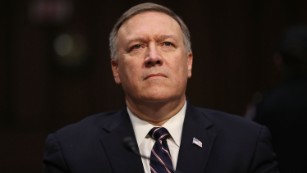
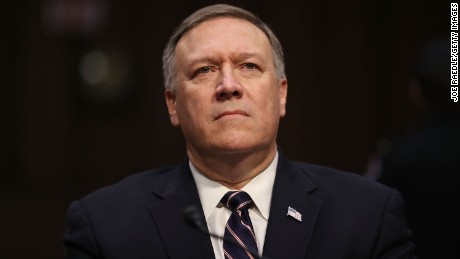
CIA Director Mike Pompeo did meet with the head of Russia's foreign intelligence agency, an official barred from entering the US under 2014 sanctions, as well as the head of Russia's internal security agency, according to a US official with direct knowledge of the meetings.
The official said Pompeo did not meet with the head of the GRU, the Russian military intelligence agency behind efforts to meddle in the 2016 US election. The CIA followed a multi-agency legal process to give access to Russian officials under sanctions, the official said.
CIA Director Mike Pompeo defended the meeting in a Thursday letter to Senate Minority Leader Chuck Schumer, declaring that he and other officials met with Russians for the same reason their predecessors did -- "to keep Americans safe."
Schumer, whose staff was briefed on the meetings and the legal process involved before giving a Tuesday news conference, said the meeting represented "a serious national security issue." And he continued to blast Pompeo on Thursday.
    "If this administration is ignoring sanctions, that's very serious," the New York Democrat told CNN, noting that in the letter, Pompeo didn't directly acknowledge that he had met with his Russian counterparts. "Director Pompeo's refusal to answer that question is deeply troubling."
    News of the meeting comes as Russia's interference in the 2016 election continues to cast a shadow over Washington. The administration and the FBI are at odds over the release of a congressional memo about surveillance related to possible links between the Trump campaign and Russia.
    And lawmakers are blasting the Trump administration for failing to impose new Russia-related sanctions that some had expected this week.
    The Russian Embassy in Washington announced the Pompeo meeting in a Jan. 30 tweet. "It is no accident the Russians announced this meeting," the US official said. "The target was sowing discord in US," said the official, who also noted all administrations have met with Russian intel officials for intel-sharing and outreach.
    The head of Russia's foreign intelligence service, SVR, Sergey Naryshkin, has been barred from entering the US since 2014 sanctions for Russia's destabilizing activities in Ukraine were imposed. Alexander Bortnikov, the head of the FSB, the country's internal intelligence service, has been sanctioned by the European Union.
    Indeed, there is a very long history of US attempts to cooperate with Russian intelligence services, said Andrew Weiss, a vice president of studies at the Carnegie Endowment who oversees research into Russia and Eurasia.
    That said, Weiss adds that, "the Russian government clearly wants to portray the US as being open to conducting business as usual ... which is both cheeky and presumptuous given how badly damaged the relationship is today."
    The high point of US-Russian intel cooperation came after the terrorist attacks of Sept. 11, 2001. "But even then, there was always a huge amount of mistrust" and differing views on terrorism "that got in the way of cooperation," Weiss said.
    "There's just a fundamental difference piled on top of the fact that the two countries' intelligence agencies are basically at war," Weiss said. Add to that the charged political environment in Washington surrounding Russia.
    "Anybody sitting inside US government today not only has to make decisions about the practical aspects of dealing with Russian counterparts, but also the political fallout," Weiss said.

    And if intelligence officials do see a benefit in conferring with Russians, "it's really hard for people outside the intelligence community to know what stands behind those kind of decisions."
    In his letter to Schumer, Pompeo said that, "while Russia remains an adversary, we would put American lives at greater risk if we ignored opportunities to work with the Russian services in the fight against terrorism."
    Pompeo also stressed that when these meetings do take place, "we cover very difficult subjects in which American and Russian interests do not align."
    "We vigorously defend America in these encounters and pull no punches -- we never will," he wrote.
    Asked about allowing Naryshkin entry to the US, State Department spokeswoman Heather Nauert said, "I can tell you in a general matter if something is considered to be in the national security interest of the United States, just like other countries, we have the ability to waive that so that people can come into the United States."
    Nauert added that, "it is no secret that despite our many, many differences -- and we just talked about them -- with the Russian government, we also have areas where we have to work together, and one of those is combating terrorism and ISIS, and so I will leave it at that."