Translate

The Oscar's Stories # 8: Moscow ... yesterday for me


1965, the first year of the era of Leonid Brezhnev who would command the Soviet Union for 18 years.

As head of the image and media relations of an important Florentine metallurgical industry, I had the task of coordinating the setting up of a pavilion at an international fair that was to be held in the Sokolniki park.

A very interesting experience for someone like me who was also a city councilor in Florence for the Liberal Party and declared anti-communist.

But having the opportunity to visit the so-called 'paradise' of the Soviet Union live, unlike the Italian comrades who were camouflaged by the section leaders, was a very interesting prospect. Although dangerous.

There was no direct flight to Moscow and you had to stop in Vienna and from there take an Aeroflot Tupolev 104, the one with the windowed nose of military derivation.


On that first trip the hotel was the Ukraine, an integral copy of the Waldorf Astoria in New York in which foreign guests were concentrated to prevent contact with the population. They were building the huge Rossyia just behind the Kremlin.


I go into my room and the phone rings. I pick up the receiver and a woman's voice in almost perfect Italian says to me: "Okay, Oscar, I'm Svetlana. When will we see you?"

This procedure would repeat itself as often as I went to the Soviet Union for work over the next few years.

A way like any other to hook up the foreign visitor in agreement with the hotel reception, to steal information for the KGB who controlled the telephone line of the hotel room.

The female component in the experience of foreign visitors was decisive: the most attractive girls did their utmost (it must be said) to get married by the unwary professionals of other nations who were captured by the Slavic charm.

It had also happened to a well-known political exponent, who had returned from a long visit to Moscow married to an effervescent blonde who, once catapulted to the Italian capital, after a short time had left him to run into the arms of other substantial (in terms of personal wealth) Italian boys.

Your editor, far from marriage plans since he had not yet found a soul mate among the many offers in liquidation, had a nice opportunity to exchange views with a Natasha he met in a Moscow cafe.

One afternoon we were walking in an avenue of birch trees made ultra romantic by the autumn colors; in those days I used to smoke a few cigarillos, just to give me a tone and I didn't like it.

I had pulled out of my pocket a box of Swedish matches with which I had lit the tool and had thrown the unlit match, continuing to talk to Natasha, but she had disappeared from my side.

I turned around and saw her pick up that match from the ground and put it in a small box she had pulled out of her jacket.

I can assure you that I felt like a worm even if the girl had acted automatically without wanting to give a lesson in civics to the unwary and boorish foreign friend.

The secret police required that each stand in the exhibition hall had an interpreter.
A nice girl from Reggio Emilia had happened to us, obviously a member of the Italian Communist Party who had facilitated her presence in Moscow to study at the Lomonosov University.

These interpreters at the end of the day had to draw up a report to the political commissioner telling what they had seen and heard in the eight hours of presence in the stand with the foreign guests.

It was necessary to be very careful and avoid easy jokes about the Moscow disorganization perhaps on the wave of a few glasses of vodka. It was mainly the French who had been expelled from the Soviet Union in a few hours for having said who knows what in their pavilion at the fair.

Our nice spy interpreter from Reggio Emilia told us that the Italian comrades were not much loved by the Soviet population, as they arrived with suitcases full of super-used clothing which they then resold at a high price using the illegal exchange with the ruble.

In the Moscow of those years, everything worked out anyway: if you arrived at a hotel restaurant and maybe it was after nine, you would find doors closed and inflexible managers. But the doors, the managers, the kitchen and everything else would start up again as soon as you loosened a large tip.

Often if you became friends with some Muscovites you were asked to go to one of the various Berioska-birch trees (where foreigners could buy for dollars) to get something they would never find in state shops. And they gave you the dollars to do it.

For those who had to stay in Moscow for a long period of time, life was not very easy.

Foreign journalists were forced to live in the district controlled by military sentry boxes in Kutuzovsky Prospekt.

Those who went to visit them had to issue passports to the policemen at the gate. Inside the apartments it was known that every conversation would be recorded and so it was best to turn the volume on the turntable to maximum.

There were many dramatic stories they told you: every journalist got open air tickets because in case there was some illness it was better to jump out of the Soviet Union.

The women remembered hallucinatory stories of gynecological wards where only a pair of rubber gloves was used for intimate visits to patients. That pair of gloves was used throughout the dormitory.

The toilet paper they had to buy in Helsinki in Finland.
Great success could be had if one got a pack of the Italian singer Celentano records and women's stockings that cannot be found in Moscow.

Every time you went out to buy something you had to get an 'avos'ka', the net bag to make daily barters by exchanging anything with your neighbor. On each floor of the hotel there was an official who checked that no women were brought into the room. Behind the homage of a pair of socks and a Celentano LP, an elephant could also enter the room.



One evening, in the hotel, I approached the orchestra stage which obviously played only Russian folk tunes and I started a conversation with the head of the band, a nice saxophonist. When I told him I was a former Italian professional singer he asked me to sing something with them. I asked them if they knew any American standards. He smiled smugly and we agreed on 'The Lady is a Tramp' which we performed together as if we'd been dating for who knows how long. Big applause from the many people present. They played fantastic.

Every time I returned to Moscow I did not fail to bring a box of reeds for his instrument to his saxophonist friend as they were nowhere to be found and he was forced to scratch the old ones in order to continue playing.


In Red Square every day you ran into an endless queue of Soviet citizens who wanted or had to parade in front of Lenin's mummy. To avoid spending a few hours in the Moscow polar cold it was enough to arrive at the police control at the entrance declaring "italijanski delegazia" and they miraculously let you pass.

To enter the Kremlin museum you had to stop in the vestibule to wear canvas overshoes so as not to damage the wooden floors.

In that environment there were some signs with the words: "no smoking". Those signs were written only in Italian.

_______________________________________________________ Oscar:


I'm always fascinated by your lovely stories and realize that our lives have paralleled one another in many ways. I went to Moscow in 1974 when I was an aide to U.S. Senator J. Glenn Beall, Jr. of Maryland. He was on the commerce committee and the U.S. was doing a grain deal with the Soviets at the time. We stayed in the Rossia which was apparently under construction when you were there nearly a decade before. We were watched, followed, and guided every step of the way. At one point I met the director of the Kirov Ballet in a bar, we managed to converse in each other's limited German, and he confessed that his dream was to live in Rome where he believed that the Italian Communists had the right approach. But I had also been a musician before being drafted during Vietnam and did make a point of searching out musical groups to a very limited extent in Moscow. Didn't realize you were also a singer and now I'm back to music playing lead trumpet for two local big band jazz groups where your "Lady is a Tramp" would fit in perfectly. One of these days we'll have to get together if you're ever back in DC and we'll swap stories. Enjoy your blog.

Paul Paolicelli
_______________________________________________________
Oscar,
What a great read. Thank you.
All the best,
Grant R. Berning
_______________________________________________________

WOW! You were in Moscow in 1965...
I was there only a few days in August 1991, to take the Trans-Siberian train to Irkutsk (Lake Baikal), and from there the trans-Manchurian to Beijing, for a long journey through the Gobi desert, up to Kazakhstan before returning to Moscow.
Almost 30 years after your trip, it was still very difficult to travel to and across Russia. Individual tourism wasn’t usually allowed, only groups could apply for a visa to cross the country and enter China. We were a couple and after a lot of paperwork (listing in our visa application ALL the places we would stop for a quick visit and get back on board during the long trip), eventually succeeded. Upon landing at the airport we were escorted by the police to a central hotel (of their choice) where the minute we were in our room, the telephone rang and, sure enough, it was a lady who wanted to talk with Andrea, my partner! Just like you described.
The few days we spent in Moscow were quite difficult: in that period the USSR was breaking up and they were starting to pull down lots of statues, first and foremost those of Lenin, with tanks and armored vehicles on the streets.
The day we had to take the train we were escorted from the hotel to the station, and literally put on the trans-Siberian train. The police didn’t leave until the train had left the station (we could see them from the window). During the whole time of interaction, they didn't say a single word. I wonder whether anything has changed since my trip....

Thanks for sharing with all of us your adventures!
Love from Los Angeles,

Emanuela Appetiti 

_______________________________________________________

caro Oscar 

grazie dei bei ricordi moscoviti che mi mettono malinconia...noi con Bruno abitavamo al famoso Kutusovsky Prospekt con le garitte militari ,felici di aver trovato un miniappatrtamento assegnatoci dal MID dopo lunghi mesi di parcheggio all'hotel Ukraina dove  non c'era la cucina,,accanto a noi abitava nelle stesse condizioni,il Nunzio Apostolico,im perpetua attesa di ottenere un alloggio del suo livello..durante la notte le famose fanciulle di cui parlavi lo importunavano bussando alla porta/anche alla nostra../erano gli anni '90 e vedemmo scendere dal Cremlino la bandiera dell'URSS  sostituita con quella della Russia,,poi una mattina all'alba sotto le nostre finestre sul Kutuzovskij c'erano i carri armati..e arrivo' Eltsin ,tempi difficili ma che ora quasi rimpiango!!speriamo di ritrovarci presto da qualche parte..intanto approfitto per augurarvi un buon Thanksgiving con i ragazzi,,,qui siamo tutti separati e impauriti,un abbraccio a te e Franca 

Renata

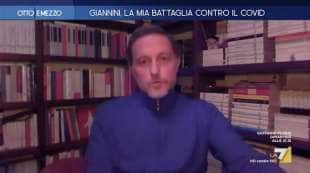
«Ho visto tanto dolore


massimo giannini a otto e mezzo 2 massimo giannini a otto e mezzo 2

Simone Pierini per www.leggo.it

, tanta sofferenza e ho visto tante persone morire». È il racconto choc di Massimo Giannini, direttore della Stampa, reduce dalla terapia intensiva dopo esser stato colpito dal Covid. «Ho vissuto settimane dure, sono stato sotto ossigeno».

Giannini, ospite di Lilli Gruber a Otto e Mezzo su La7 è ancora positivo, in isolamento a casa dopo esser stato dimesso dal Policlinico Gemelli di Roma dove è rimasto per tre settimane.

«Adesso sto meglio, posso dire di essere stato fortunato, il peggio è alle spalle - dice il direttore della Stampa - È stata dura, perché effettivamente tre settimane - di cui sei giorni in terapia intensiva, quattro in sub intensiva e tre nel reparto "pulito sporco" - sono state un'avventura molto pesante. Ho visto tanto dolore, tanta sofferenza e tante persone morire e ho deciso di non nascondere questa esperienza perché la testimonianza di chi sta male conti più di tutti i dibattiti che stiamo ascoltando da tante tante settimane».

«Ho cercato di conoscere cosa succede in questi tre gironi danteschi - racconta ancora Giannini - a me è stato per fortuna risparmiato dalla sorte il quarto, il più tremendo, quello della rianimazione. Il reparto "pulito sporco" è quello dopo sono ricoverati i pazienti meno gravi, sono coloro che stanno chiusi nella loro stanza contagiati, positivi, non possono né uscire né aprire la porta.

Quella porta si può aprire solo a orari prestabiliti durante la giornata quando arrivano i medici a fare i controlli, gli infermieri per distirbuire le terapie e gli operatori sanitari per pulire la stanza e rifare i letti, dopodiché entrano tutti bardati, si tolgono tutto, gettano tutto in appositivi contenitori, richiudono la porta e tu non li vedi più fino alla fase successiva».

TANTI GIOVANI RICOVERATI

«La cosa che più mi ha colpito più di tutto è vedere quanti giovani stanno male - ha aggiunto il giornalista - quante persone ricoverate sono in condizioni gravi, e anche la procedura che non conoscevo, la pronazione, un'esperienza che tutti devono conoscere quando parlano del Covid come una semplice influenza, io per mia fortuna non l'ho provata, sono stato solo con l'ossigeno».

L'INCUBO DELLA PRONAZIONE

«I pronati sono quei ricoverati gravi rispetto ai quali l'ossigeno non è sufficiente - spiega Giannini - devono essere intubati, vengono prima sedati, poi intubati nei bronchi e per sedici ore vengono ricoverati sul lettino sdraiati a pancia in sotto. Sedici ore consecutive, in una posizione guidata da un rianimatore esperto.

Dopodiché per le otto ore successive rigirati e messi supini e stanno per otto ore così, poi ricomincia e si può andare avanti giorni così perché i polmoni devono distendersi. Se questo succede a un certo momento verrai estubato, ti sveglierai e potrai dire "sono salvo". In qualche altro caso purtroppo questo non succede e quando vieni estubato te ne sei andato e nessuno ti ha dato l'ultimo saluto».(Dagospia)

Nonna Vivi è la nuova centenaria livornese

27 Ottobre 2020

Usa perfettamente internet e va e viene dagli Stati Uniti

(Livorno Press)

Dina Meriggi, detta ViviLivorno, 27 ottobre 2020

È Dina Meriggi, detta Vivi, la nuova centenaria livornese.

Vivi è nata il 28 ottobre del 1920 a Livorno, da madre ardenzina e padre di Montenero.

Vedova di Giuseppe Savigni, grande sportivo del canottaggio, ha due figlie, quattro nipoti e quattro pronipoti.

Abita a Montenero ma ha passato molti anni a Castagneto Carducci dove aveva un negozio di antiquariato.

Ultimamente il consiglio comunale di Castagneto le ha conferito una benemerenza per la sua attività di valorizzazione del paese.

È aggiornatissima e lucidissima, naviga costantemente su internet, chatta e usa skype, waz e tutto ciò che la tecnologia offre.

Gran parte della sua famiglia vive a Washington DC e quindi Vivi è andata per anni avanti e indietro dagli Usa (almeno una quarantina di volte) non tralasciando durante i suoi soggiorni di visitare altri stati.

L’ultimo viaggio in America, l’anno scorso, ha voluto farlo in nave, imbarcandosi a Southampton sulla Queen Mary.

Nonna Vivi parla, pensa ed interagisce come se avesse 50 anni, è spiritosa ma tremendamente realistica: non le manda a dire… le dice!

I suoi racconti incantano i pronipoti e le sue opinioni sono molto richieste e prese in considerazione dai nipoti, sia quelli livornesi che quelli americani che vengono a trovarla tutte le estati.

“Tutti noi – dicono i suoi parenti – speriamo di avere ereditato un po’ del suo DNA!”.

Il sindaco Luca Salvetti le invia gli auguri più sinceri a nome di tutta la città.

Nella foto Vivi al porto di Southampton l’anno scorso in attesa di imbarcarsi per N.Y.


Stephen Collinson and Caitlin Hu

CNN

'What we're seeing is a real increase'

----------

The truth is, there isn’t one US election. There are more than 50.


Each state and territory effectively has its own individual vote, a reality that will trigger bitter vote counts, electoral irregularities and court battles but will (hopefully) spit out a President at the end. The fragmented electoral process explains how Hillary Clinton could beat Donald Trump by nearly 3 million votes nationwide in 2016, yet still lose the presidency in the complex Electoral College system. It’s federalism in action.


In the US, there is no national standard on how people vote or on what device they register their choices. There is no common rule on when they can cast a ballot. In some states, voting is a breeze. In others, you stand in the rain or cold for hours to exercise the franchise.


Some states, especially those with conservative legislatures, go out of their way to make voting harder -- especially for minorities who tend to vote Democrat. In Texas -- a state bigger than France, by area -- a Republican governor limited early vote collection boxes to one per county. Some states cut off mail-in voting on Election Day. Others will count ballots that arrive several days later.


In many states, it's not even clear who actually runs the election. Secretaries of state are nominally in charge of vote integrity and counting. But America’s politicized judiciary often gets a say. On Tuesday for example, a Michigan judge struck down an order by the state’s Democratic secretary of state barring the open carrying of guns at polling places.


Occasionally, the Supreme Court — with a conservative majority —  gets dragged in. The disputed 2000 election decided by justices for George W. Bush still leaves a bitter taste. Now, America’s top bench seems to be wading into political disputes with little logic. It ruled Monday that a lower court usurped the power of Wisconsin legislators by ruling to extend mail-in voting deadlines. But Wisconsin’s Republican-run legislature, one of the least active in the country, has failed to fix an electoral system overloaded by demand amid the pandemic. More confusing still, that Supreme Court decision appears inconsistent with a previous ruling to allow an extended mail-in ballot deadline in Pennsylvania. 


American democracy might be a miracle, but it’s an increasingly messy one.

Trump l'abbiamo inventato noi italiani


Telefonata con un caro amico italiano.

"Qui in Italia non è che siamo preoccupati più di tanto per quello che sarà il risultato delle vostre elezioni presidenziali. E lo dico nonostante lo strombazzamento dei media in tutto il mondo… 

Secondo me, come sostiene Fareed Zakaria, il giornalista della Cnn, nel suo ultimo libro '10 lezioni per il mondo della post pandemia' la globalizzazione tra le varie aree economiche e' talmente pronunciata che, nonostante i nazionalismi -America compresa - sarà molto difficile che si possa tornare ad una sorta di autarchia, caratteristica questa delle dittature emergenti."

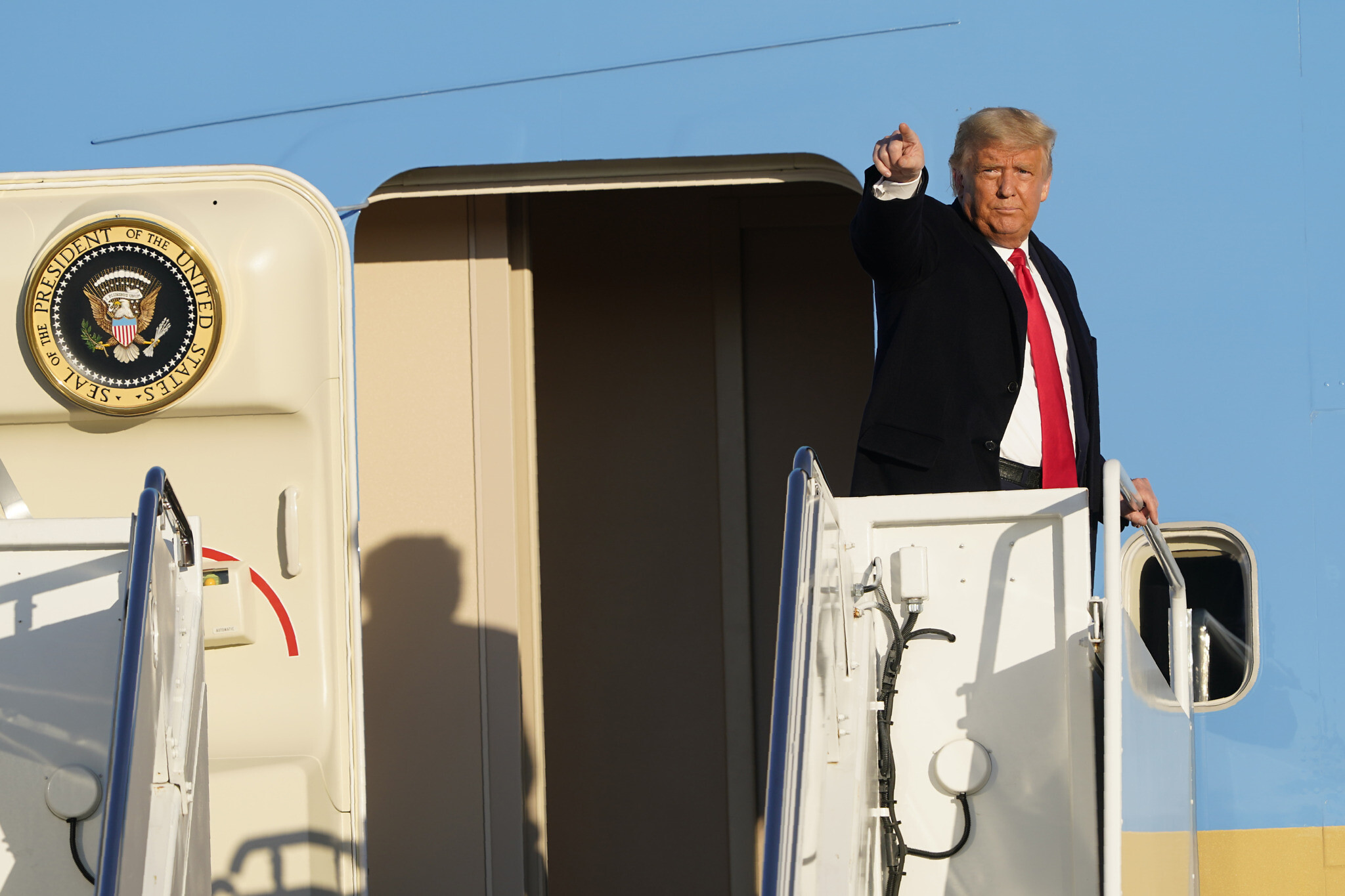
È proprio questo il pericolo che corriamo qui in America-ribatto-se sarà riconfermato Donald Trump per altri quattro anni alla Casa Bianca, questo personaggio che parla al ventre di almeno il 47% della popolazione americana che lo trova originale e simpatico…

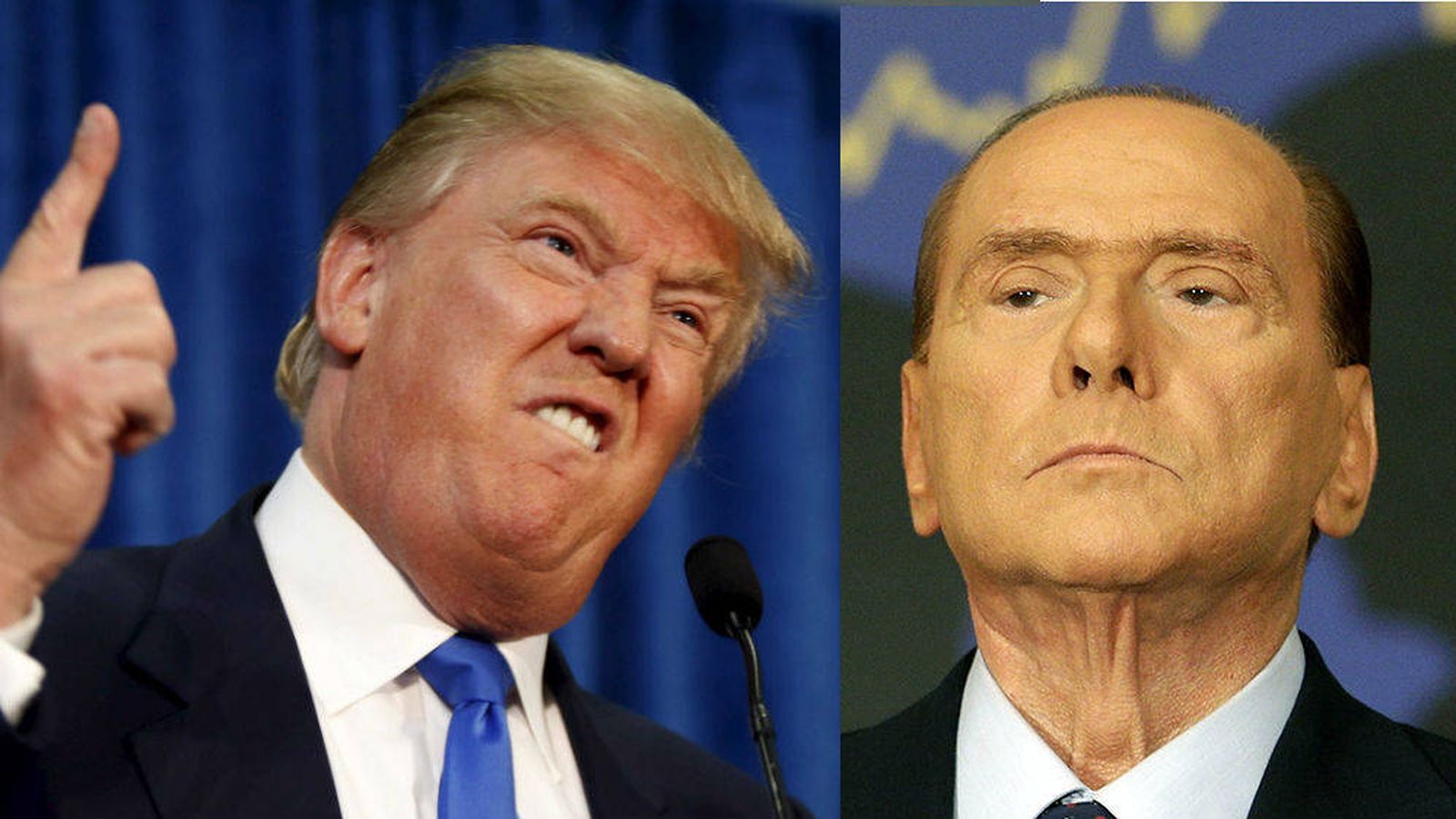
"Anche su Trump bisognerebbe rimettere le cose al loro giusto posto: noi italiani rivendichiamo di aver inventato il modello Trump venti anni prima di Trump con il modello Berlusconi. 

Già proprio così. L'Italia è sempre stata un laboratorio sociopolitico di altissimo livello. 

Ti sembreranno delle provocazioni, ma prova a pensare a Mussolini. Hitler si ispirò a lui, ai suoi scritti e comportamenti prima di prendere poi la sua strada criminale con la quale il nostro dittatore è stato surclassato. Perché Hitler era tedesco e quindi organizzato, mentre Mussolini viveva nel casino.

Prendi per esempio il caso di Berlinguer che riuscì ad inventarsi il distacco dal centralismo sovietico maturando una scissione dogmatica che doveva anticipare di alcuni decenni la drammatica fine del comunismo e della nazione che sul comunismo aveva costruito la sua realtà oscena fatta di milioni di vite sacrificate."

Avevi iniziato a parlare del modello Berlusconi…

"Già proprio lui.. Il modello è stato copiato da Donald Trump in pieno, consapevolmente o forse no, perché si tratta di personaggi che nuotano nella stessa acqua di incultura. 

Non faccio turpiloquio politico se ricordo che Berlusconi e Trump (ai quali puoi aggiungere altri attori emersi nel panorama planetario) sono due sesso-maniaci (come lo sono in gnere tutti gli uomini di grande potere); la definizione di puttanieri non è offensiva dato che hanno dimostrato che sono soliti pagare le prestazioni di signore e signorine disposte a tutto. Il sesso pagato è il rifugio di chi non vuole o non può conquistare biblicamente fanciulle appariscenti a costo zero e senza perdere troppo tempo. 

Berlusconi e Trump sono due maghi della televisione che sanno usare al meglio per raggiungere  quel largo segmento della popolazione che rinuncia a far lavorare il cervello perché è faticoso riflettere mentre è più semplice farsi titillare gli istinti più elementari da chi ha interesse a carpire il tuo voto. 

Ambedue questi personaggi si sono distinti nel cercare di evadere le tasse, corrompere i giudici, predicare falso nazionalismo esasperato allo scopo solo di fortificare la propria base di apprezzamento su cui costruire il potere personale. 

Trump da parte sua si sta distinguendo in questo confronto con l'anziano personaggio italiano perché è riuscito in un tragico momento come l'attuale condizionato dalla pandemia, a mettere sotto il tappeto le precauzioni e gli avvertimenti che avrebbero potuto salvare decine di migliaia di vite giustificandosi col fatto che non voleva creare panico. Al posto del panico ha creato morti."

Come andrà a finire dopo il 3 novembre e le elezioni presidenziali americane…?

"Se Trump sarà riconfermato, voi americani avrete quattro anni tutti da dimenticare. Ma li avremo anche noi europei di conseguenza. 

Se invece gli americani voteranno per 'l'usato sicuro', ovvero Biden, vi troverete di fronte a pericolose incursioni delle milizie armate che già hanno dato dimostrazione del livello della propria preparazione militare. 

Chi scrive sul pericolo di un'altra guerra civile in America non è molto lontano da una farneticante realtà… 

Caro amico ti auguro tutto il bene possibile, ammesso e non concesso che sia.....possibile!"

Oscar

Le elezioni USA e il futuro delle nostre democrazie


Derive estremiste: il voto in Usa e la funzione di garanzia dei partiti

Articolo di Romano Prodi su Il Messaggero del 25 ottobre 2020

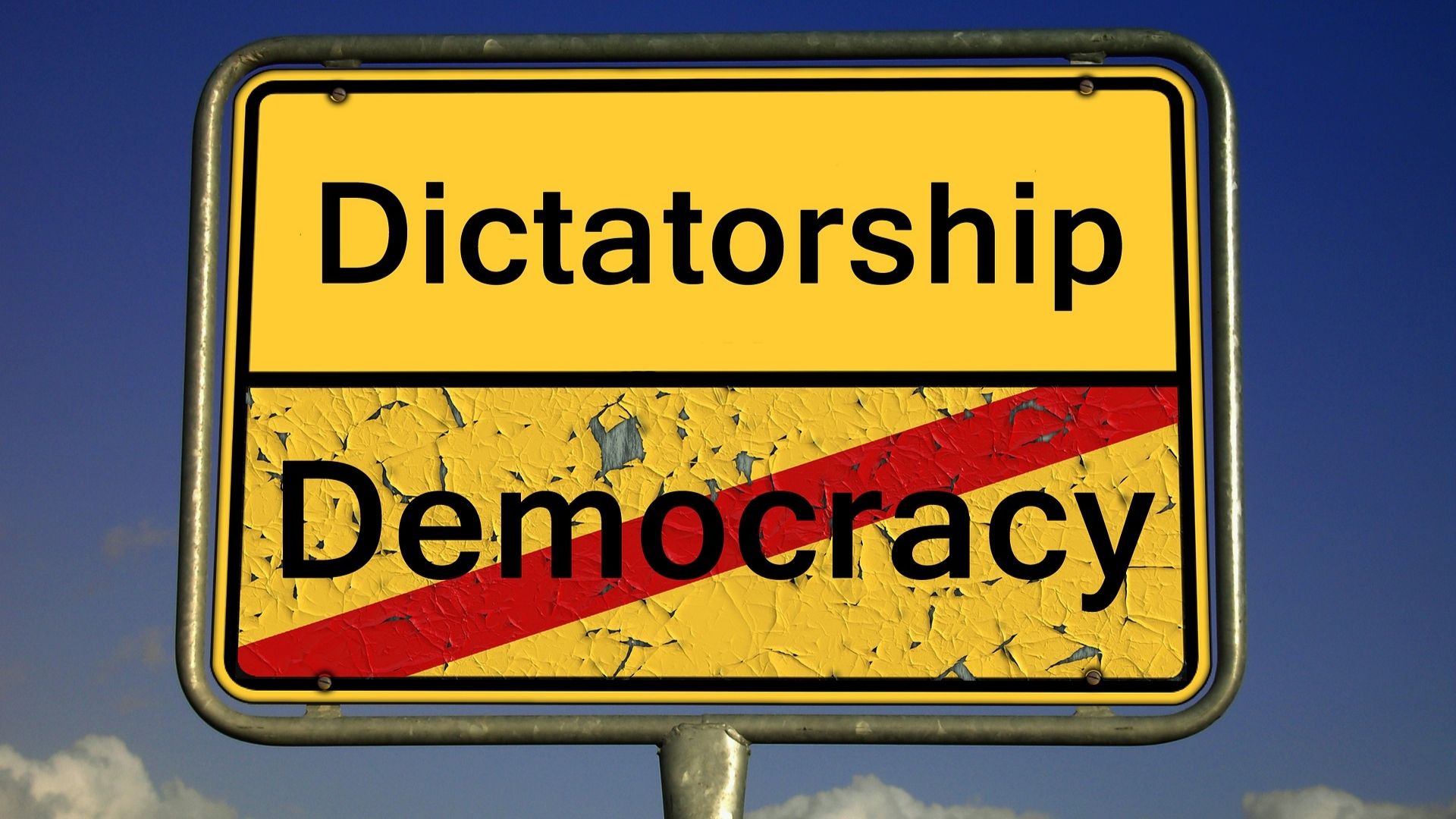
Fra soli nove giorni si svolgeranno le elezioni americane, la più importante sfida democratica del nostro pianeta. Una sfida che avviene dopo un lungo periodo di tempo nel quale l’efficacia e le regole stesse della democrazia sono state messe in crisi ovunque, non solo da parte degli stati totalitari.

Le democrazie, infatti, non muoiono più di colpi di stato, ma vivono in una fase di generale ritirata. Non per una specifica azione di Putin o di Xi Jinping, ma per un progressivo indebolimento delle loro stesse istituzioni. Un indebolimento aiutato spesso dai parlamenti, dai vecchi e nuovi media e dalla fragilità dei corpi intermedi, tradizionalmente dedicati a equilibrare il funzionamento della democrazia.

Spesso, proprio coloro che si trovano al vertice di un sistema democratico, usano le sue istituzioni per indebolirlo. Un arretramento sempre più descritto dagli studiosi (penso ad esempio al libro di Levitsky e Ziblatt, pubblicato in Italiano da Laterza) e sempre più messo in pratica in un crescente numero di paesi.

Molteplici e diversi sono i segnali di questo arretramento.

Il primo è quello di rigettare o limitare le regole del gioco democratico non accettando i risultati delle elezioni politiche, oppure organizzando l’opinione pubblica per screditarle. A questo si accompagna l’attacco continuo, diretto e brutale nei confronti degli avversari, mettendo in dubbio la loro stessa legittimità, in quanto presunti agenti di potenze straniere o ipotetici criminali inadeguati a partecipare al gioco politico.

A ciò si aggiunge il progressivo screditamento dei numerosi e necessari arbitri che operano nel sistema democratico, a partire dalle autorità di regolamentazione per finire con la Magistratura.

Si tratta in questi casi di una vera e propria violazione delle regole, alle quali si accompagna spesso l’abbandono delle tradizionali consuetudini della vita democratica, come la separazione tra gli affari pubblici e quelli privati, l’inserimento di parenti nelle cariche pubbliche o il sistematico cambiamento dei collegi e delle leggi elettorali, in modo da favorire la propria fazione. Quando non si arriva ai casi, oggi frequenti non solo nei paesi africani, nei quali la Costituzione viene abbandonata nel momento in cui essa pone un limite alla durata del mandato di chi detiene il potere.

Naturalmente questi processi di arretramento della democrazia sono resi possibili quando si è di fronte a un crescente distacco fra i cittadini e chi esercita il potere, anche se con pieno mandato democratico. L’enorme aumento delle disparità e la crescente emarginazione della classe media prodotta dalla precedente crisi, e purtroppo esaltata dalla pandemia in corso, hanno progressivamente accelerato questo distacco.

Per non parlare della sfiducia provocata dalla ripetuta violazione delle promesse elettorali. Tutto il mondo è quindi entrato, con diversi gradi e con diversa intensità, in un processo di “recessione democratica”: dalle Filippine alla Thailandia, dalla Turchia alla Russia per arrivare al Brasile, toccando anche gli Stati Uniti. Solo l’Europa, con l’importante ma non decisiva eccezione di Polonia e Ungheria, ha posto fino ad ora un serio freno a questo arretramento, anche se ovunque si stanno indebolendo i tradizionali argini di difesa del sistema democratico, ossia i partiti politici.

Sono infatti i partiti che hanno la responsabilità di isolare le forze estremiste, di suonare il campanello d’allarme contro la violazione delle regole e, soprattutto, di selezionare con metodo democratico coloro che concorreranno alle cariche pubbliche. Sotto questi aspetti la progressiva ritirata dei partiti è un evento comune alla totalità dei paesi. Come se si volesse fuggire dalla complessità della democrazia per rilassarsi sotto le ali, apparentemente protettive, dell’autoritarismo. Sappiamo tutti che la democrazia è fatica. Essendo figlia di compromessi, negoziati e concessioni esige temperanza e autocontrollo, fino ad arrivare, in molti casi, a non dovere nemmeno usare fino in fondo il proprio potere e le proprie prerogative.

Le elezioni americane non saranno quindi importanti solo perché decideranno sulla politica interna e la politica estera del più potente paese del mondo: esse saranno anche un importantissimo indicatore della futura evoluzione di tutte le nostre democrazie.

Fino ad ora la campagna elettorale americana non ci aiuta ad essere ottimisti. Il suo svolgimento ci ha messo di fronte a tutte le potenziali involuzioni dei sistemi democratici che abbiamo in precedenza elencato, fino all’aperta minaccia del presidente Trump di non accettare gli eventuali risultati elettorali a lui non favorevoli.

Credo quindi che dobbiamo seguire con molto interesse gli ultimi giorni di questa grande sfida, anche come occasione per meditare sulla nostra democrazia, non certo immune dai rischi di involuzione che abbiamo elencato in precedenza.

Mai cosi' tanti votanti dal 1908


US 2020 election could have the highest rate of voter turnout since 1908

Data from the US Elections Project predicts a record 150m ballots, representing 65% of eligible voters, for this election

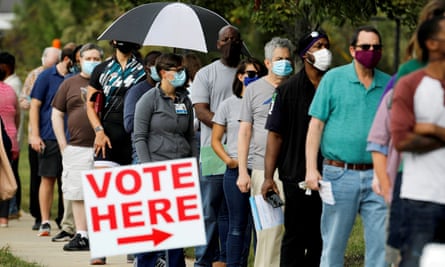
Voters wait in line on the first day of in-person early voting in Durham, North Carolina.
Voters wait in line on the first day of in-person early voting in Durham, North Carolina. Photograph: Jonathan Drake/Reuters
, and agencies (The Guardian)

More than 50 million Americans have cast ballots in the US presidential election with 11 days to go in the campaign, a pace that could lead to the highest voter turnout in over a century, according to data from the US Elections Project on Friday.

The eye-popping figure is a sign of intense interest in the contest between Republican Donald Trump and Joe Biden, his Democratic challenger, as well as Americans’ desire to reduce their risk of exposure to Covid-19, which has killed more than 221,000 people across the United States.

Many states have expanded in-person early voting and mail-in ballots ahead of election day on 3 November, as a safer way to vote during the coronavirus pandemic.

The high level of early voting has led Michael McDonald, the University of Florida professor who administers the US Elections Project, to predict a record turnout of about 150 million, representing 65% of eligible voters, the highest rate since 1908.

In Texas, the level of voting has already surpassed 70% of the total turnout in 2016. In Georgia, some have waited in line for more than 10 hours to cast their ballots. And Wisconsin has seen a record number of early votes, with 1.1 million people having returned their ballots as of this week. Voters in Virginia, Ohio and Georgia have also seen long lines at early voting sites.

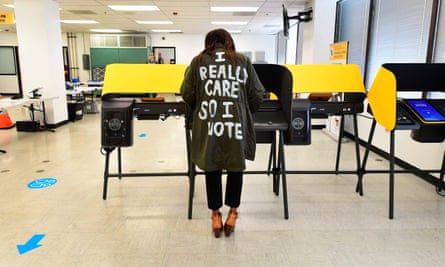
Tonya Swain votes in Norwalk, California, while wearing a coat that mimics one worn by Melania Trump in 2018 which read, “I really don’t care. Do u?”
Tonya Swain votes in Norwalk, California, while wearing a coat that mimics one worn by Melania Trump in 2018 which read, ‘I really don’t care. Do u?’ Photograph: Frederic J Brown/AFP/Getty Images

The pandemic has upended campaign traditions and its effects are still being felt. Americans may find themselves waiting days or weeks to know who won as election officials count tens of millions of mail-in votes. Democrats are encouraging supporters to vote early – either in person or by mail – amid fears that the United States Postal Service (USPS) may not have the capacity to deliver mail-in ballots to election officials on time.

Ongoing Republican efforts to restrict which votes are counted and how have also worried voting rights advocates. This week, the supreme court allowed Alabama officials to ban curbside voting. The Iowa supreme court also upheld a Republican-backed law that could prevent election officials from sending thousands of mail-in ballots, by making it more difficult for auditors to correct voter applications with omitted information.

Michael Herron, a government professor at Dartmouth and Daniel A Smith, a political scientist at University of Florida, calculated that thousands of ballots in the swing states of Florida and North Carolina have been flagged for potential rejection due to signature defects. “Racial minorities and Democrats are disproportionately more likely to have cast mail ballots this election that face rejection,” they wrote in the media outlet the Conversation.

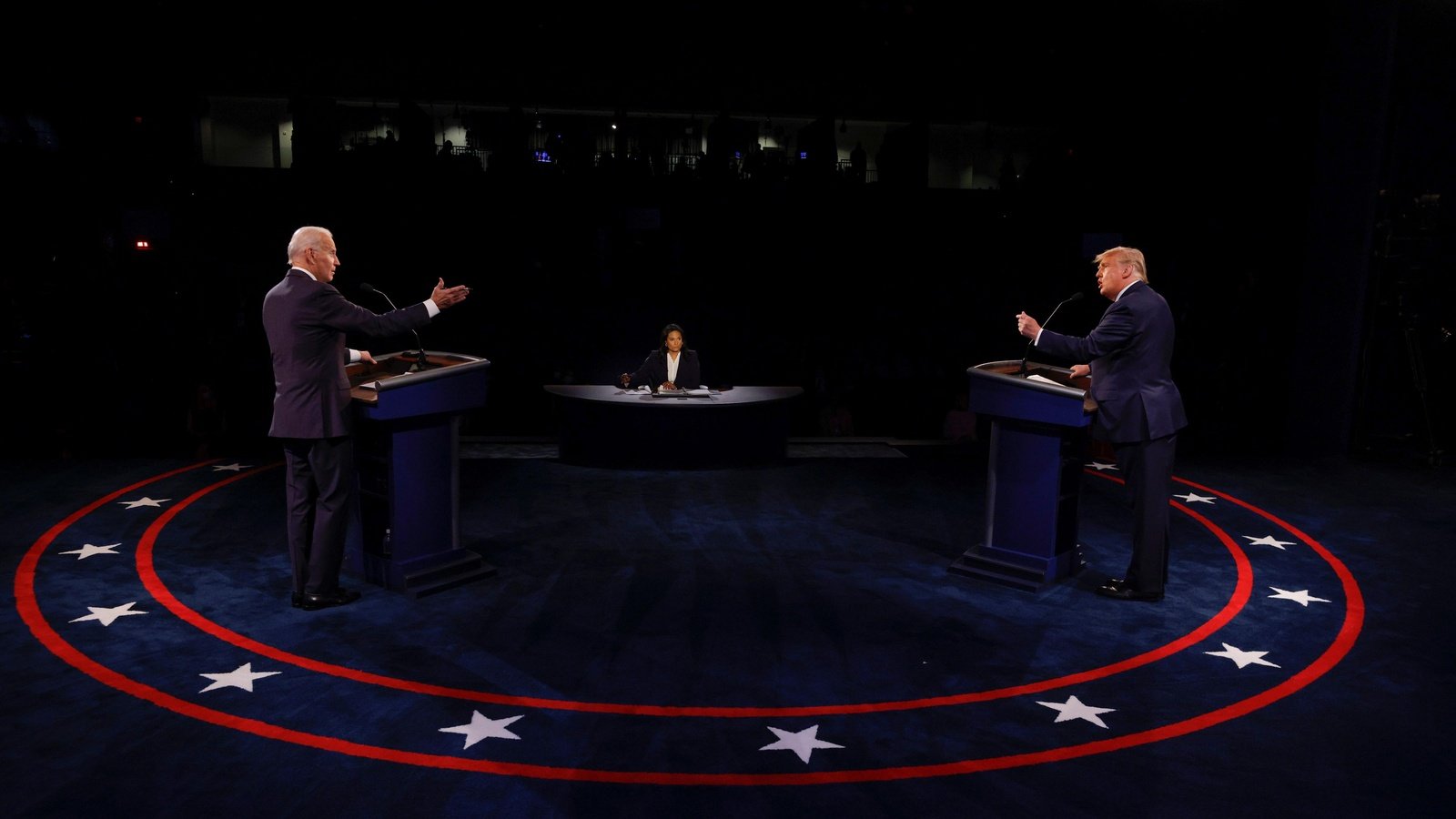
Trump and Biden met on Thursday night for a final debate ahead of election day, with Snap polls taken afterwards showing a majority of viewers believed Biden had the better showing.

Lagging in national polls, the president has been keeping a busy schedule of rallies, although with many voters having cast their ballots already, it’s unclear what effect the push will have.

On Friday, the president held events in the battleground state of Florida, where opinion polls show a tight race and over 4 million votes have already been cast, approaching half the total four years ago.

When Trump asked the crowd how many had voted, “nearly every hand” went up, reported NBC’s Shannon Pettypiece, who was at the event.

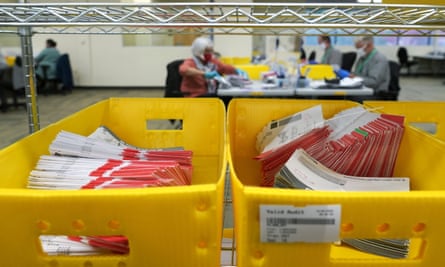
Boxes of vote-by-mail ballot envelopes await processing at the King county election headquarters in Renton, Washington.
Boxes of vote-by-mail ballot envelopes await processing at the King county election headquarters in Renton, Washington. Photograph: Ted S Warren/AP

Next week Trump will head to Pennsylvania, Michigan, Wisconsin and, somewhat surprisingly, Nebraska. He won Pennsylvania, Michigan and Wisconsin by less than 1 point in 2016, and recent polls show Biden pulling several points ahead in the battleground states.

Biden, meanwhile, delivered a speech in his home state of Delaware on his plans for leading a recovery from the pandemic. Biden’s speech comes as the US has hit its highest single-day coronavirus case count since late July, reporting 71,671 new cases yesterday.

“This president still doesn’t have a plan,” Biden said. “He’s given up. He’s quit on you. He’s quit on America.”

Echoing his comments during Thursday night’s debate, Biden said he would not shut down the country in response to the coronavirus pandemic.

“I’m not going to shut down the country. I’m not going to shut down the economy. I’m going to shut down the virus,” Biden said in Wilmington.