Translate

Lezione inglese: niente crescita se aumenta la disparità sociale


 La giustizia sociale e la crescita di un Paese

Articolo di Romano Prodi su Il Messaggero del 09 ottobre 2022

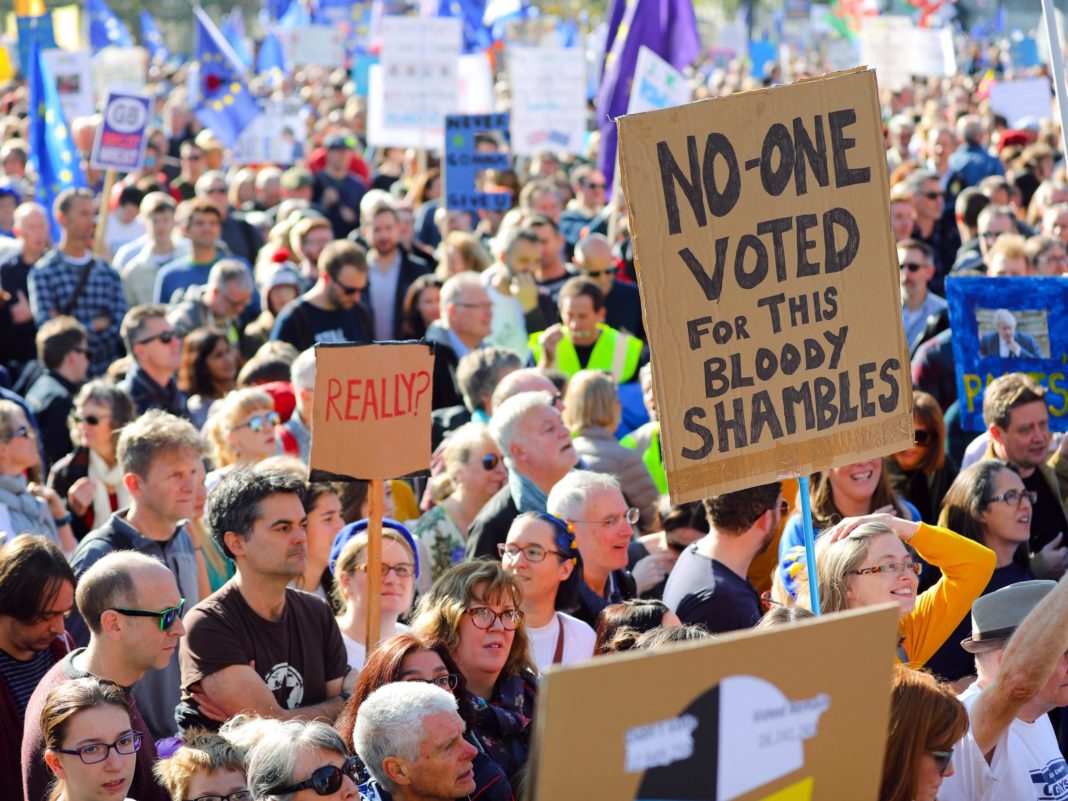
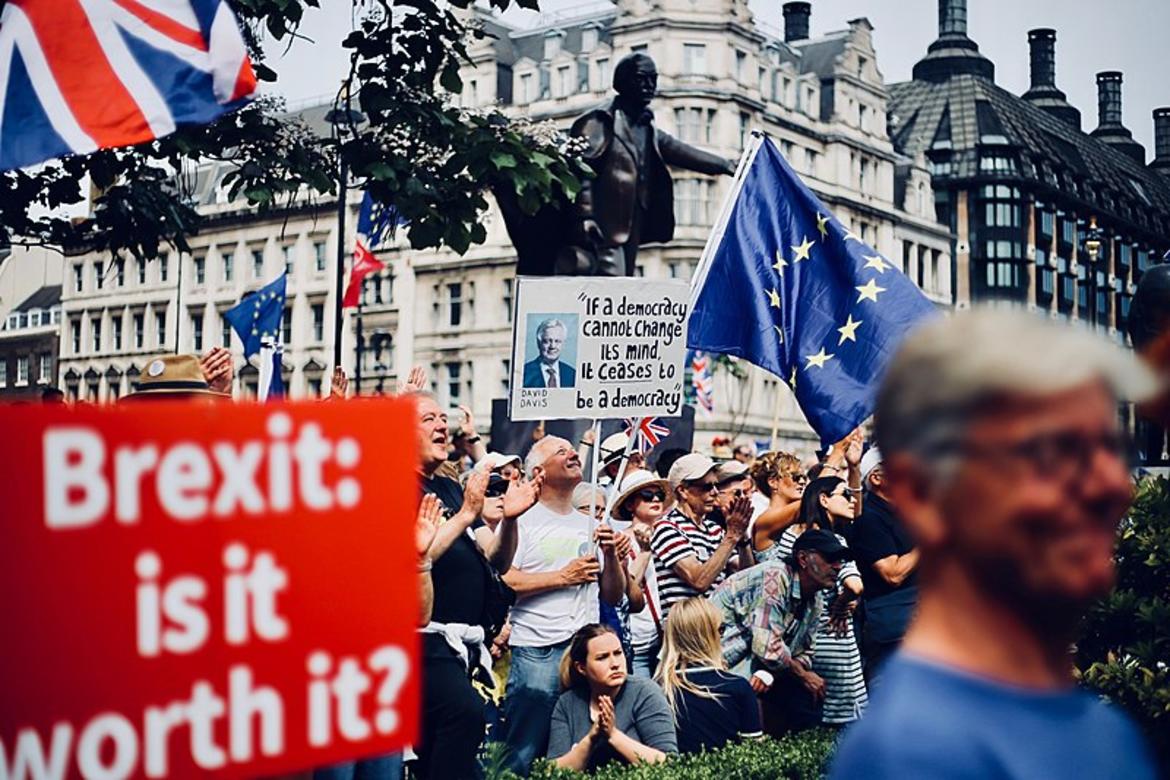
Almeno fino ad ora la Brexit non ha portato fortuna alla Gran Bretagna.

L’uscita dall’Unione Europea era vista dai suoi sostenitori come la fine di un vincolo che impediva a Londra di diventare il centro della finanza mondiale e alla Gran Bretagna di giostrare fra Stati Uniti ed Europa, con una libertà che avrebbe permesso una crescita economica e una prosperità senza confronti.

Le cose sono andate in modo diverso. Il progressivo distacco dall’Europa, verso cui si dirige ancora la gran parte del commercio britannico, non è stato compensato da un inesistente rapporto privilegiato con gli Stati Uniti.

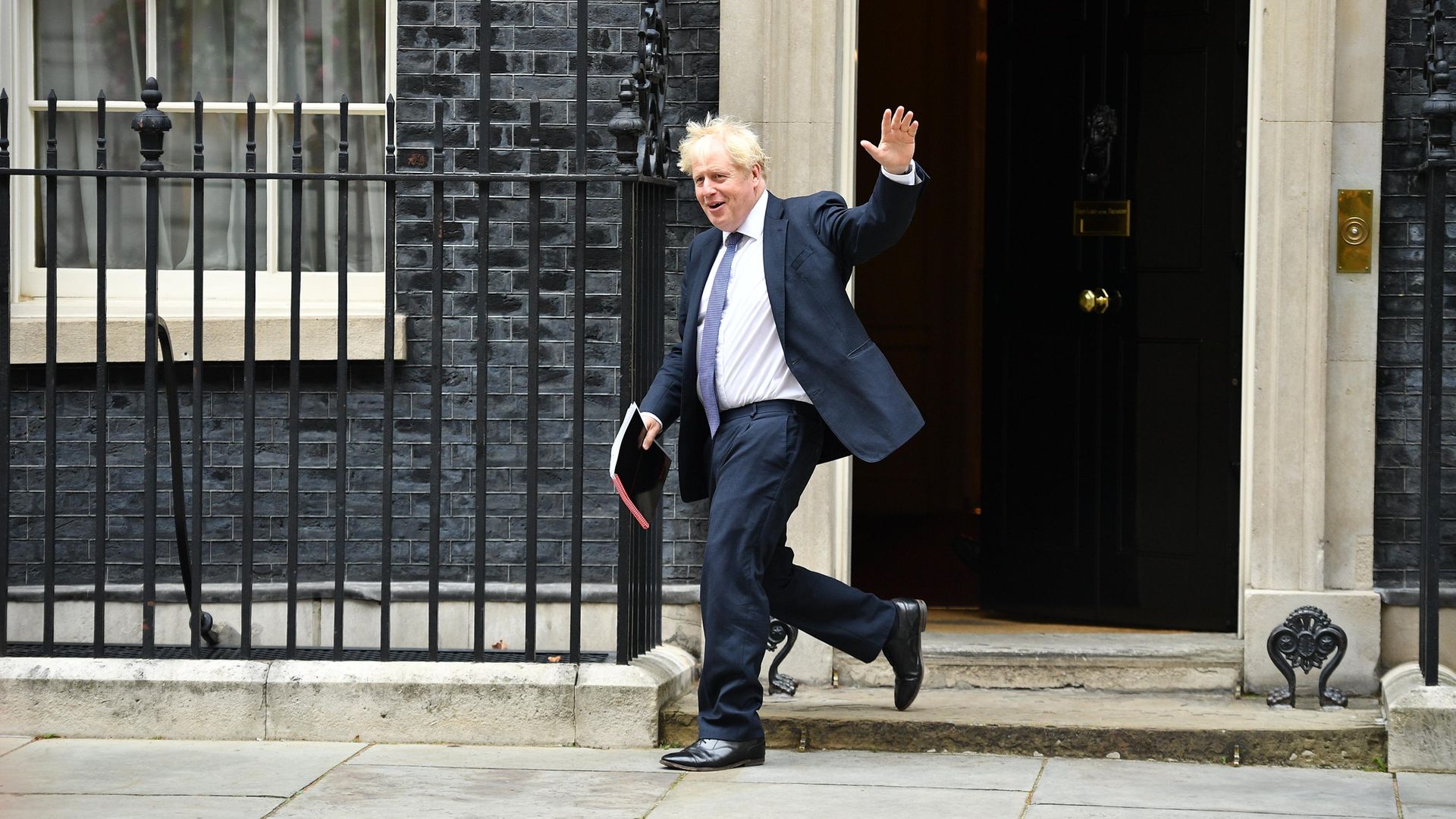
Londra non è diventata la “Singapore sul Tamigi” come i sostenitori della Brexit avevano incautamente previsto. Le tensioni politiche interne hanno fatto il resto, fino a provocare la caduta del governo di Boris Johnson.

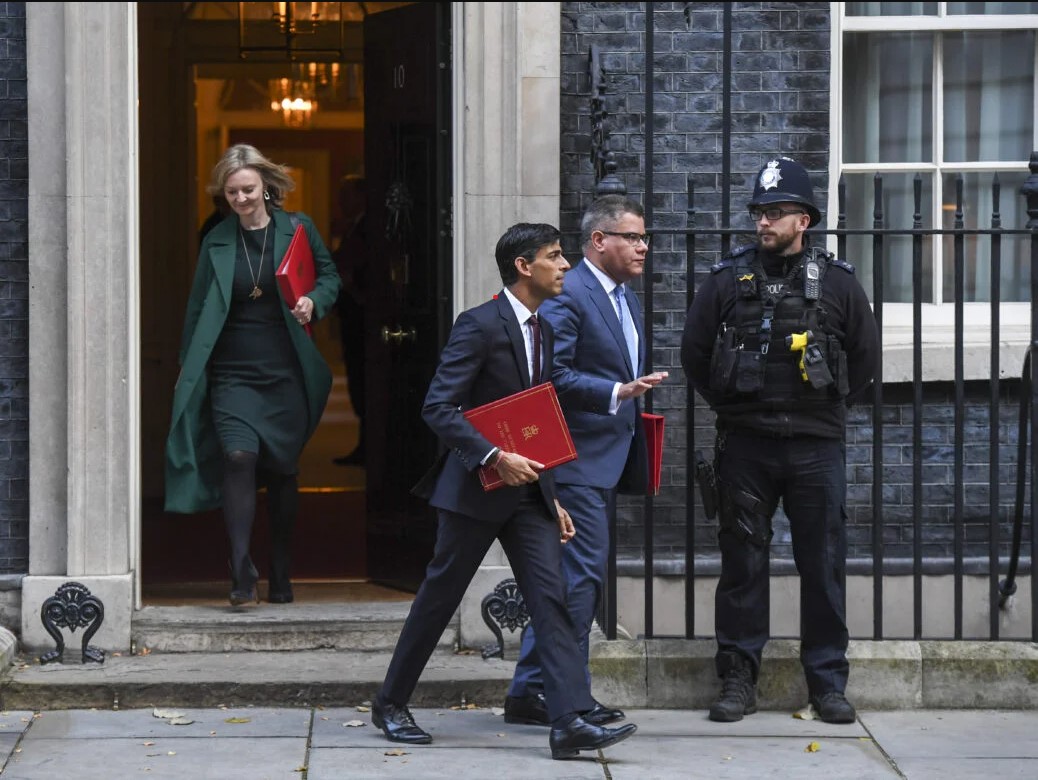
La nuova compagine governativa, presieduta da Liz Truss, ha pensato di iniziare una fase di crescita impetuosa con una politica che, qualche decennio prima, era stata con successo lanciata da Margaret Thatcher. Su consiglio del fantasioso Cancelliere dello Scacchiere è stato quindi lanciato un progetto di riduzione fiscale che, insieme a corposi sussidi volti a temperare il rincaro dell’energia, avrebbe dovuto dare nuovo slancio all’economia.

La decisione non ha tuttavia tenuto conto di quanto le cose siano cambiate. In primo luogo il combinato disposto fra diminuzione di imposte e aumenti dei sussidi necessari a fare fronte ai rincari dell’energia, ha aperto le porte a un deficit del bilancio pubblico che, pur non essendo di dimensioni incontrollabili, ha provocato un vero e proprio terremoto nei confronti della sterlina, dei titoli pubblici britannici e, perfino, un giudizio negativo del Fondo Monetario Internazionale.

Alla mancata riflessione sulla possibile reazione dei mercati, si è aggiunto un imperdonabile errore di politica interna. Il provvedimento conteneva un corposo beneficio fiscale per i redditi più elevati, provocando da un lato un impressionante aumento delle preferenze all’opposizione laburista e, dall’altro, una vera e propria rivolta anche tra i deputati conservatori che sostengono il governo.

La ribellione è arrivata al punto da costringere il Cancelliere dello Scacchiere a eliminare l’aspetto più odioso della sua precedente decisione. Quest’immediata e plateale marcia indietro ha posto rimedio a un’ incomprensibile ingiustizia, ma non è stata sufficiente a diminuire la preoccupazione dei mercati nei confronti del deficit e, nello stesso tempo, ha danneggiato in modo irreparabile la credibilità del governo.

Il maggiore errore del provvedimento sta tuttavia nel fatto che, rispetto ai tempi della Thatcher, il mondo è cambiato e ancora di più è cambiata l’opinione pubblica britannica.

Un mutamento che nasce dalla crisi della globalizzazione e dalle tensioni politiche che l’hanno prodotta. Siamo infatti entrati in una fase di paura e di minore solidarietà, una fase in cui nessun indebitamento ritenuto fuori misura viene perdonato, nemmeno ad un paese che, come la Gran Bretagna, ha sempre goduto di un’assoluta e illimitata fiducia da parte della finanza internazionale.

E’ doveroso infatti ricordare che tutta questa tempesta è stata originata da un deficit di bilancio non certo senza confronti. Si tratta infatti di un peggioramento di poco superiore all’1% rispetto al deficit previsto in precedenza.

Non solo è uno scostamento minore rispetto a quelli che ha ripetutamente sperimentato il nostro paese ma, anche in Gran Bretagna, questo deficit non avrebbe in passato provocato una reazione di questa portata.

La crisi della globalizzazione, la crisi energetica, le tensioni politiche e commerciali e la guerra di Ucraina hanno aumentato le paure e moltiplicato le dimensioni e la velocità delle reazioni negative dei mercati. La sovranità fiscale è ormai ridotta anche in Gran Bretagna. Una lezione sulla quale è ancora più opportuno meditare in Italia.

Conviene tuttavia riflettere ancora sulle reazioni negative nate all’interno della Gran Bretagna di fronte ad una decisione governativa che vedeva nella diminuzione delle imposte lo strumento necessario per aumentare la crescita.

La maggioranza dei cittadini, interpellati in una inchiesta ad hoc, ha infatti risposto che la crescita non può essere perseguita a scapito di un aumento delle disparità che la nuova politica fiscale avrebbe prodotto.

Dopo decenni nei quali, a partire dalla Gran Bretagna, ma non solo in Gran Bretagna, la preferenza popolare ha sempre sostenuto tutti i politici che promettevano una diminuzione delle imposte come unico (anche se non dimostrato) strumento di crescita, stiamo entrando in una nuova fase di riflessione più meditata.

Una fase nella quale, a somiglianza di quanto avveniva in tutti i paesi europei fino agli anni ottanta, la politica si fonda su una valutazione più complessiva dei costi e benefici delle diverse scelte.

Tutti i governi, a partire da quello italiano, saranno quindi sempre più obbligati a mettere in atto una politica di crescita che, per potere essere realizzata, deve essere accompagnata da un delicato equilibrio fra le esigenze di bilancio e gli obiettivi di giustizia distributiva. Il tutto in un quadro internazionale sempre più reattivo e condizionante. Un compito per noi necessario anche se non facile da svolgere.

La maggioranza dei candidati repubblicani alle prossime elezioni di mezzotermine rifiuta il risultato delle presidenziali del 2020 e non accettera' la sconfitta personale

Experts say their dominance in the party poses a threat to the country’s democratic principles and jeopardizes the integrity of future votes
By Amy Gardner (TWP)

A majority of Republican nominees on the ballot this November for the House, Senate and key statewide offices — 299 in all — have denied or questioned the outcome of the last presidential election, according to a Washington Post analysis.

Candidates who have challenged or refused to accept Joe Biden’s victory are running in every region of the country and in nearly every state. Republican voters in four states nominated election deniers in all federal and statewide races The Post examined.

Although some are running in heavily Democratic areas and are expected to lose, most of the election deniers nominated are likely to win: Of the nearly 300 on the ballot, 174 are running for safely Republican seats. Another 51 will appear on the ballot in tightly contested races.

The implications will be lasting: If Republicans take control of the House, as many political forecasters predict, election deniers would hold enormous sway over the choice of the nation’s next speaker, who in turn could preside over the House in a future contested presidential election. The winners of all the races examined by The Post — those for governor, lieutenant governor, secretary of state, attorney general, Senate and House — will hold some measure of power overseeing American elections.

Many of these candidates echo the false claims of former president Donald Trump — claims that have been thoroughly investigated and dismissed by myriad officials and courts. Experts said the insistence on such claims, despite the lack of evidence, reflects a willingness among election-denying candidates to undermine democratic institutions when it benefits their side.

The Post’s count — assembled from public statements, social media posts, and actions taken by the candidates to deny the legitimacy of the last presidential vote — shows how the movement arising from Trump’s thwarted plot to overturn the 2020 election is, in many respects, even stronger two years later. Far from repudiating candidates who embrace Trump’s false fraud claims, GOP primary voters have empowered them.

Republican election deniers on the ballot in nearly every state

A Washington Post analysis found that in races for Congress and key statewide jobs, a majority of GOP nominees have denied the results of the 2020 vote.

Most Republican candidates in the South have denied the 2020 election results.
Juan Ciscomani — is an election denier. *Louisiana holds an open primary on Nov. 8.
Source: Washington Post reporting

The issue has dominated in key battlegrounds. In Warren, Mich., on Saturday, Trump campaigned for three statewide candidates, all of them deniers: Tudor Dixon for governor, Matthew DePerno for attorney general and Kristina Karamo for secretary of state.

“I don’t believe we’ll ever have a fair election again,” Trump told the crowd. “I don’t believe it.”

Scholars said the predominance of election deniers in the GOP bears alarming similarities to authoritarian movements in other countries, which often begin with efforts to delegitimize elections. Many of those promoting the stolen-election narrative, they said, know that it is false and are using it to gain power.

“Election denialism is a form of corruption,” said Ruth Ben-Ghiat, the author of “Strongmen: Mussolini to the Present” and a historian at New York University. “The party has now institutionalized this form of lying, this form of rejection of results. So it’s institutionalized illegal activity. These politicians are essentially conspiring to make party dogma the idea that it’s possible to reject certified results.”

In the short term, scholars said, that party dogma is likely to produce multiple election challenges this fall from deniers who lose. It could poison the 2024 presidential race, as well.

“It’s quite possible in 2022 we’re going to have a serious set of challenges before the new Congress is seated, and then this will escalate as we move toward 2024 and another presidential election, in which the candidates, again, almost required by the Trumpians, will be challenging election outcomes,” said Larry Jacobs, a politics professor at the University of Minnesota whose areas of study include legislative politics.

In the longer term, Jacobs said, the country’s democratic foundations are at risk.

“It is a disease that is spreading through our political process, and its implications are very profound,” Jacobs said. “This is no longer about Donald Trump. This is about the entire electoral system and what constitutes legitimate elections. All of that is now up in the air.”

The Post has identified candidates as election deniers if they directly questioned Biden’s victory, opposed the counting of Biden’s electoral college votes, expressed support for a partisan post-election ballot review, signed on to lawsuits seeking to overturn the 2020 result, or attended or expressed support for the Jan. 6, 2021, “Stop the Steal” rally in Washington that preceded the riot at the U.S. Capitol.

Among the 299 are GOP candidates vying to take over from Republicans who, despite overall support for Trump, have refrained from embracing his false narrative of fraud.

For instance, Eric Schmitt, the Missouri attorney general on the ballot for U.S. Senate this fall, was one of 18 Republican attorneys general and 126 House members who signed on to a lawsuit seeking to overturn the popular vote in Pennsylvania. He would replace Roy Blunt, a retiring GOP senator who voted to certify the 2020 election. In a statement explaining the vote at the time, Blunt cited the “more than 90 judges — many of them Republican-appointed, including several nominated by President Trump,” who dismissed attempts by Trump and his allies to prove the 2020 vote was marred by fraud.

Also among the 2022 crop of election-denying candidates are those who actively promoted misinformation. Anna Paulina Luna, the GOP nominee in Florida’s 13th Congressional District, spread unfounded accusations on social media that Dominion Voting Systems equipment rigged the 2020 outcome and expressed support for decertifying Arizona’s result even after a partisan post-election audit found that Biden had indeed won the state.

Some of the election deniers are themselves in line to oversee elections. Diego Morales, the nominee for Indiana secretary of state, declared on Facebook in 2021: “If we count every legal vote, President Trump won this election.” In Indiana, the secretary of state certifies results.

All three of those candidates, and many more like them, are expected to win their November elections, barring major upsets.

“My position is very clear,” Luna said in a statement provided to The Post. “We need to restore faith in the election process and that starts by asking questions on how we can improve election integrity.”

Morales, when asked through a spokesperson whether he continues to view the 2020 result as rigged, offered this statement: “Joe Biden is the legitimate president. He is doing a horrible job, but he is the president.”

Schmitt did not respond to requests for comment. A Trump spokesman also declined to comment.

The Republican fervor to elevate election deniers this midterm cycle comes at a time when pro-Trump allies and activists are continuing to doubt the administration of elections in the U.S., demanding investigations of voter fraud and accusing state and local election officials of rigging races or using fraudulent voting equipment.

The convergence of those forces as the November election draws near raises the chances that some of the candidates who don’t win, along with their allies, are likely to question their defeats. A dozen Republican candidates in competitive races for governor and Senate queried last month by The Post declined to say whether they would accept the results of their contests.

That, in turn, means that another close presidential contest in 2024 could produce even more chaos than what the country lived through in the aftermath of the 2020 vote, when pro-Trump rioters ransacked the Capitol. More officials may be willing to try to thwart the popular vote, potentially delaying results, undermining confidence in the democratic system and sowing the seeds of civil strife.

The proportion of election deniers on the November ballot is particularly high in three of the battleground states where Trump contested his defeat in 2020: Arizona, Georgia and Michigan. Election deniers have targeted offices in each of those states — as well as in other battleground states, including Wisconsin, Nevada and Pennsylvania — potentially giving Republicans a platform from which to challenge a popular vote they do not agree with in 2024.

The proportion is also higher among candidates for Congress, which holds the power to finalize — or contest — the electoral college count every four years. Among 419 Republican nominees for the U.S. House, 235, or 56 percent, are election deniers. And the vast majority of those, 148, are running in safely Republican districts, with another 28 in competitive races, according to ratings by the Cook Political Report.

There are already scores of election deniers in the House; 139 of them voted against the electoral college count after the violence of Jan. 6, 2021, had finally abated. But with 37 election deniers who are not incumbents running in safely Republican or competitive House districts, that number will almost certainly rise after November.

The attack: The Jan. 6 siege of the U.S. Capitol was neither a spontaneous act nor an isolated event

Steve Sawyer demonstrates outside the U.S. Capitol on Jan. 3, 2021. (Amanda Voisard for The Washington Post)

Several scholars said one of the gravest implications of these candidates dominating the House majority caucus relates to their loyalty to Trump, who has steered the party toward near-universal fealty.

“One of the questions about the Republican conference will be, who is the real leader?” said Steven Smith, a political science professor with a focus on Congress at Washington University in St. Louis. “If the party wins a majority and it seems to be due to the success of the deniers, it’s hard to imagine Trump not taking advantage of this by using his public power to press the conference to follow his wishes.”

That could mean Trump demanding investigations into the administration, determining the GOP’s pick for speaker or dictating whether the House votes to impeach Biden, Smith said. Trump, who has never acknowledged Biden as the legitimate president, was twice impeached.

Trump has amply demonstrated his penchant for driving Republican legislative action, including this past weekend, when he excoriated Senate Minority Leader Mitch McConnell (R-Ky.) for supporting a stopgap spending bill that included aid for Ukraine. Republicans who won their primaries thanks to a Trump endorsement may be reluctant to defy him.

Smith noted, however, that there is also peril for Republicans in this moment. Although election deniers are on course to win in reliably Republican districts and states, it’s also possible that the party will lose more competitive races because of its focus on the issue. And those who do win could push for a more extreme agenda that could backfire.

The only states where the GOP nominated a clean slate of election deniers are Montana, Tennessee, West Virginia and Wyoming, all of which are reliably Republican. But even in closely divided states where Democrats have been gaining in recent years, candidates who refuse to accept the 2020 result dominate within the GOP.

Among the Republican nominees for Arizona’s nine House seats, all but one are election deniers, according to The Post’s analysis. Four of those are incumbents who voted against the electoral college count on Jan. 6, 2021. The four election-denying newcomers include candidates who promoted false claims that a partisan audit of the Arizona result proved that Trump really won, called for the “decertification” of the Arizona result or endorsed the unfounded findings of the documentary film “2000 Mules,” which claimed that thousands of Democratic activists stuffed ballot boxes with forged votes in 2020.

Just two states — Rhode Island and North Dakota — did not nominate an election denier for any of the offices The Post examined.

The Post’s count covers offices with direct supervision over election certification, such as secretaries of state. Lieutenant governors and attorneys general are also included, with each playing a role in shaping election law, investigating alleged fraud or filing lawsuits to influence electoral outcomes.

It is not certain that all who embraced Trump’s false statements about 2020 would try to undermine a certified result in 2024. Indeed, several election-denying candidates who avidly parroted some of Trump’s unfounded accusations as they sought the former president’s endorsement during their primary races have begun walking back those positions as they focus on trying to win in November.

Don Bolduc, a retired brigadier general who won the Republican Senate primary in New Hampshire in early September, declared during an August primary debate: “I signed a letter with 120 other generals and admirals saying that Trump won the election, and, damn it, I stand by my letter. I’m not switching horses, baby. This is it.”

But days after his win, Bolduc shifted his attention to the general election against Sen. Maggie Hassan (D), who is favored to win her bid for reelection. As he did so, his position on whether Biden had won two years ago shifted, too.

“I’ve done a lot of research on this, and I’ve spent the past couple weeks talking to Granite Staters all over the state from every party, and I have come to the conclusion — and I want to be definitive on this — the election was not stolen,” Bolduc said in an interview on Fox News.

Days later, he suggested to a podcast aligned with the QAnon extremist ideology that he had simply bowed to political reality, and that “the narrative that the election was stolen, it does not fly up here in New Hampshire.”

Then he repeated a sentiment that has become common among GOP candidates who stop short of denying the 2020 outcome but continue to cast doubt on the integrity of U.S. elections, even though experts and election officials say their claims are not true.

“What does fly,” Bolduc said, “is that there was significant fraud and it needs to be fixed.”

Alexander Fernandez, Hayden Godfrey, Solène Guarinos, Eva Herscowitz, Audrey Hill, Audrey Morales, Lalini Pedris, Alexandra Rivera and Ron Simon III with the American University-Washington Post practicum program and Vanessa Montalbano, Nick Mourtoupalas, Tobi Raji and John Sullivan contributed to this report.
La macchina della Vice Presidente Harris e' andata a sbattere !!??

VP was in car accident; Secret Service first called it ‘mechanical failure’

By Carol D. Leonnig (TWP)

Vice President Harris was in a minor car accident in a D.C. tunnel, but the Secret Service initially described the incident as a “mechanical failure” in an alert. (Demetrius Freeman/The Washington Post)

A motorcade taking Vice President Harris to work was in a one-car accident on a closed roadway in D.C. Monday morning, an incident that concerned both the Secret Service director and the vice president and revived worries about the agency’s history of concealing its mistakes, according to two people familiar with the incident.

The Secret Service agent driving Harris in a sport utility vehicle struck the curb of a downtown tunnel hard enough that the vehicle’s tire needed to be replaced, bringing the motorcade to a standstill near Foggy Bottom at about 10:20 a.m., said the people, who spoke on the condition of anonymity to share internal discussions.

Harris had to be transferred to another vehicle in the motorcade so agents could safely spirit her to the White House. The routine nature of the travel and the high level of training required for agents who drive the president and vice president led many in the Secret Service, as well as Harris, to question how such an accident could happen.

The Secret Service also failed to note key details of the incident in an electronic message formally alerting senior leadership to the motorcade’s delay. The agency’s protective intelligence division reported that “a mechanical failure” in the lead car had forced agents to transfer Harris to another vehicle during a scheduled movement to the White House, according to details of the alert shared with The Washington Post.

By Monday afternoon, Secret Service Director Kim Cheatle received information from other agents that the alert did not accurately convey what happened, one of the people said. In fact, many other Secret Service agents on Harris’s detail and at the White House, as well as Harris, knew her driver had actually hit the side pavement of a tunnel.

A spokeswoman for the vice president said Harris is grateful for all the Secret Service does to keep her safe.

“The Vice President sustained no injuries and appreciates the quick response by her USSS detail to get her to the White House safely,” Kirsten Allen said in an emailed statement.

Secret Service spokesman Anthony Guglielmi said the driver overcorrected when steering, leading to the accident. He said Harris was unharmed and delivered safely to the White House.

“During a protective movement Monday, a vehicle in a motorcade had a minor overcorrection and struck a curb,” he said. “The protectee was transferred to a secondary vehicle, and the motorcade continued to its destination. There were no injuries to anyone.”

He said agents did not initially share full details of what caused the problem in the vice president’s motorcade in the formal written alert, but later briefed their superiors in person.

“Initial radio traffic indicated this was a mechanical failure, and that was communicated to agency leadership by personnel supporting the motorcade movement,” he said. “After the protective movement was completed, leadership was verbally updated with additional pertinent facts that the vehicle struck a curb.”

Harris was not in danger because she was quickly moved to another vehicle and medical staff examined her at the White House to ensure she had no injuries, said Guglielmi.

On Monday evening, video footage of Harris’s motorcade blocking the tunnel — and agents scrambling out of follow-up cars to reach Harris — surfaced on TikTok. The video appeared to be taken by phone from someone in a building overlooking Virginia Avenue.

The alert that initially chalked the delay up to a “mechanical failure” was sent as part of standard protocol for sharing information on security developments or concerns related to the White House or any of the officials or family members the Secret Service protects. These alerts are official documents the agency’s protective intelligence division sends to the phones of top officials, and have been used to warn them in the past, for example, when a person tries to jump the White House fence, or when agents make a change to security plans due to a new concern or a threat.

Cheatle, who is the second woman to lead the Secret Service, has been in the job for a month after President Biden named her the new director in late August. She has confided to allies that she was disturbed by the inaccuracy of the alert related to the Harris accident, according to one Secret Service official who spoke on the condition of anonymity to share internal discussions, and was relieved to get the fuller account later that day. A spokesman declined to comment on what information Cheatle received or her reaction.

The Secret Service has had a long, troubled history of covering up its own mistakes and misconduct, with the most senior leaders and managers often relying on the shroud of secrecy covering presidential security to cover up agency foibles and failures.

The Secret Service misled the public and the first family about a shooting at the White House in 2011, claiming it was a group of gang members shooting at each other when they had information the shooter was trying to kill President Obama. In 2014, the Service gave incorrect information about a mentally troubled veteran who was able to jump the White House fence, reporting that he was not armed when he was, and that he was stopped at the door when he actually got deep inside the White House mansion. After a night of drinking at an agent’s retirement party in 2015, the most senior agent in charge of White House security drove with another senior supervisor onto the White House grounds and through an area closed due to an ongoing investigation of a possible bomb. Despite dozens of Secret Service personnel being aware of the incident, no one reported it to the director at the time. Then-Director Joseph Clancy learned of the security breach from a former agent and friend.

Che succede se i repubblicani vincono e controllano il Congresso ?


By Amber Phillips
with Caroline Anders (TWP)
 

What would it mean if Republicans take the House of Representatives in this November’s midterm elections – a very likely situation? What if they take the House and the Senate and thus control both chambers of Congress?

Or what would happen if Democrats somehow keep their majorities, which is also possible?

Here’s a rundown of three scenarios of congressional control, in order of likelihood, based on what we know now about the midterm electionsI go into more depth on all of this here.

1. Republicans take the House, Democrats keep the Senate


(Stephanie Hays/The Washington Post/iStock)

In a GOP-majority House, Republicans could ...


Disband the Jan. 6 committee: House Republican leaders have expressed no interest in investigating the 2021 attack on the U.S. Capitol. They’ve even ignored subpoenas to talk about what they know. Plus, the only two Republicans willing to serve on the committee (Liz Cheney and Adam Kinzinger) will no longer have jobs in Congress next year, which is telling about the direction the Republican Party is going. The committee is authorized only through the end of this year, but a Democratic-controlled Congress could reauthorize it to keep investigating.


Reps. Adam Kinzinger (R-Ill.) and Liz Cheney (R-Wyo.) at a Jan. 6 committee hearing in July. (J. Scott Applewhite/AP)

Investigate Hunter Biden: federal investigation looking at whether the president’s son committed tax fraud and lied to pass a background check to buy a gun seems to have fizzled. And there has yet to be a smoking gun related to whether President Biden benefited from Hunter Biden’s various international business deals. But Republicans have promised to pick things back up with Congress’s investigatory powers if they get the majority.

Start lots of other investigations: Republican leaders will probably be under enormous pressure — including from Donald Trump — to use their newfound investigatory powers in the House to dig into pretty much everything about the Biden administration: how he ended the Afghanistan war, his border policy, the FBI’s search of Mar-a-Lago ...

Meanwhile, in a Democratic-majority Senate, Democrats could ...


Mostly just confirm Biden judges: There’s not much they could do to stop GOP House investigations of President Biden. And don’t expect much compromise on legislation with House Republicans. But Senate Democrats probably would help the president out by continuing to approve his nominations for judges, or another Supreme Court justice if there were a surprise opening on the court.

2. Republicans win both chambers

(Stephanie Hays/The Washington Post/iStock)

(Stephanie Hays/The Washington Post/iStock)

In a GOP-majority House and Senate, Republicans could ...

Stymie Biden’s agenda: In the first two years of Biden’s presidency, Republicans worked with him on a surprising number of issues: infrastructure, veteran health benefits, competitiveness with China and gun laws. But with two years to go before a presidential election, Republicans have more incentive to block Biden’s agenda.

Hold up court vacancies: We’re not expecting vacancies on the Supreme Court in the near future, but anything can happen. And if a seat opens up, the top Senate Republican, Mitch McConnell of Kentucky, has demonstrated a ruthless ability to hold a seat open until a Republican president can appoint someone.

Debate a national abortion ban: Sen. Lindsey Graham (R-S.C.) got the ball rolling when he introduced legislation to ban abortion across the nation after 15 weeks. Senate Republican leaders immediately distanced themselves from the idea, but there will be a lot more pressure to consider this if Republicans have the majorities in Congress. (Although Democrats in the Senate would certainly filibuster it, and no way would Biden sign it into law.)

3. Democrats keep both chambers

(Stephanie Hays/The Washington Post/iStock)

(Stephanie Hays/The Washington Post/iStock)

If they kept the House and Senate, Democrats could ...

Take another whack at liberal priorities: Democrats would have a second shot at trying to pass national protections for abortion, same-sex marriage and voting rights. But they would need to have a really great election and actually expand their majority in the Senate by two seats to break through the filibuster to do some of this.

Limit what a President Trump could do: Democrats are starting to think about what happens if Trump or a like-minded candidate wins the presidency. They’ve already proposed legislation to make it harder for presidents to filter out federal government workers who don’t agree with them.

Maybe try to keep Trump from running: The New York Times reports that some Democrats are drafting legislation to prevent Trump from running for president, because of his role in the Jan. 6 attack. But it’s a long shot.

The Oath Keepers trial, real quick


Stewart Rhodes, founder of Oath Keepers, in 2013. (Jared Ramsdell/Connecticut Journal Inquirer/AP)

What’s happening: The founder of a right-wing militant group that prosecutors say was at the center of the Jan. 6 attack is one of five people on trial beginning today, accused of a serious crime called seditious conspiracy.

What is seditious conspiracy? It’s essentially an accusation that Oath Keepers leader Stewart Rhodes and his cohorts tried to overthrow the government. It’s a rare charge.

The significance of this trial: The federal government has prosecuted hundreds of people in connection with the attack, but mostly with smaller crimes, such as trespassing. To convict someone of actually trying to overthrow the government would be a big deal for the Jan. 6 investigation, report The Washington Post’s Rachel Weiner, Spencer S. Hsu and Tom Jackman.

In addition, watch what Rhodes says in his defense. He has said he was ready to do Trump’s bidding, if the president called on groups such as the Oath Keepers to help him stay in power. Over in Congress, the Jan. 6 committee has raised the question of whether Trump should be charged with seditious conspiracy too.

Ritagliate questa intervista

Mirko Molteni per “Libero quotidiano” (Dagospia)


federico rampini foto di bacco (1)FEDERICO RAMPINI FOTO DI BACCO (1)

Il giornalista esperto di geopolitica Federico Rampini è tornato in libreria con due nuovi lavori. In Suicidio occidentale (Mondadori, 252 pagine, 19 euro), invita a rigettare l'assurda demolizione della nostra memoria storica sulla base di un "politically correct" che porta a distruggere monumenti e censurare opere culturali applicando al passato categorie post-moderne.


giorgia meloniGIORGIA MELONI

Con America. Viaggio alla riscoperta di un Paese (Solferino, 288 pagine, 18 euro), va oltre gli stereotipi diffusi in Europa per raccontare i mille volti e le mille contraddizioni dell'America di oggi, toccati con mano dall'autore, che da anni vive negli States. Proprio dal ruolo egemone degli Stati Uniti, prende le mosse la lunga intervista che Rampini ci ha concesso, partendo dai commenti di Washington sulla recente vittoria elettorale del centrodestra italiano, per allargare poi lo sguardo sulla scacchiera globale.


antony blinken in ucrainaANTONY BLINKEN IN UCRAINA

Il segretario di Stato USA Blinken dice che l'Italia è una democrazia forte, ma il presidente Biden ha paura della vittoria del centrodestra. L'America si fida di noi?

«Biden parlava ad una riunione del suo partito nell'ambito della campagna elettorale per le elezioni legislative dell'8 novembre. Ha usato l'Italia solo per ammonire i suoi che una vittoria della destra è possibile anche in America. Il suo segretario di Stato invece parlava di rapporti tra Stati e tra governi. L'America continuerà a fidarsi di noi se teniamo fede agli impegni presi in sede Nato e non scivoliamo dalla parte di Putin».


ZELENSKY BIDENZELENSKY BIDEN

Che idea hanno negli Stati Uniti della Meloni, che due anni fa era andata al congresso dei repubblicani e adesso sta sostenendo, fin dal principio, l'Ucraina?

«L'Amministrazione Biden ha rapporti eccellenti con due governi di destra in Europa, quello conservatore di Londra e quello ultraconservatore di Varsavia. La Polonia è considerata, tra i membri dell'Unione europea, il paese che ha capito meglio la minaccia dell'espansionismo russo e ne trae le conseguenze in termini di aiuti all'Ucraina e di aumento delle proprie spese per la difesa. Se la Meloni segue l'esempio polacco l'idea che gli americani hanno di lei non può che migliorare».


putin zelensky bidenPUTIN ZELENSKY BIDEN

La Polonia ha leggi sui diritti peggio di quelle dell'Ungheria. Come mai gli Stati Uniti vanno d'accordo con Varsavia e non con Budapest?

«Perché Varsavia è generosa di sostegno all'Ucraina più di ogni altro paese europeo, e perché spende già oggi più del 2% del suo Pil per difendersi dal pericolo russo.

Il caso di Orban è del tutto diverso perché lui ha avuto continui cedimenti verso Putin, ivi compreso sulle sanzioni. In quanto alle leggi sull'aborto, in Texas e in Florida abbiamo situazioni più simili alla Polonia che alla California».


referendum nel donbass 10REFERENDUM NEL DONBASS 10

Come mai l'Europa ha trovato unità sulla guerra e non sulle sue conseguenze economiche?

«Sulla guerra ha trovato unità solo grazie alla regìa americana. Se gli europei fossero stati abbandonati ai loro impulsi istintivi le truppe di Putin sarebbero già a Berlino. Sulle conseguenze economiche ognuno cerca di proteggersi come può. Anche perché gli appelli italiani alla solidarietà sono male accolti. Roma accusa olandesi e norvegesi di lucrare sul caro-gas, ma cosa aspetta a estrarre dall'Adriatico il suo, di gas?

Perché l'Estonia ha già varato un suo rigassificatore in tempi record, e la Germania ha acquistato cinque navi rigassificatrici, mentre a Piombino siamo ancora fermi?».


referendum nel donbass 6REFERENDUM NEL DONBASS 6

Ma gli Stati Uniti riusciranno a mantenere l'egemonia mondiale?

«Nel lungo periodo io penso che il baricentro della storia sia destinato inevitabilmente a tornare in Asia. Cioè dove si trovava mezzo millennio fa, quando Cina e India erano le nazioni più ricche e avanzate. Ma un conto è il lungo periodo, altro è ragionare su questo decennio e sul prossimo. La Cina ha un sistema politico inadatto a esercitare il soft power, l'egemonia sul piano delle idee e dei valori. Il modello cinese avanza a grandi passi nei paesi meno sviluppati ma incontra resistenze crescenti in Occidente».

vladimir putin xi jinping a samarcandaVLADIMIR PUTIN XI JINPING A SAMARCANDA


Quanto corriamo il rischio di guerra atomica e di un nuovo conflitto mondiale?

«Putin lo agita ogni giorno, per terrorizzarci e metterci in ginocchio. L'esercizio più delicato in questo momento - che impegna governi, vertici militari, intelligence - è capire quanto il suo sia un bluff, e quali sono i metodi migliori per contrastarlo. A me colpisce un dettaglio importante, però: di fronte a un autocrate che minaccia di usare l'arma nucleare, dove sono finiti i sedicenti pacifisti italiani? Sanno manifestare solo contro la Nato?»

Trump e PutinTRUMP E PUTIN


Gli USA sono preoccupati dal saldarsi dei rapporti fra Russia e Cina. Ora puntano a indebolire Mosca, ma una volta fatto ciò, andranno contro Pechino?

«L'analisi va rovesciata. L'alleanza fra Russia e Cina si è consolidata almeno dal 2007 ad oggi, perché quei due imperi coloniali hanno in comune la certezza della decadenza dell'Occidente, e condividono la stessa aspirazione di accelerare la nostra caduta finale. Abbiamo ignorato questa realtà a nostro rischio e pericolo, anche se Putin e Xi Jinping dichiaravano queste cose nei loro discorsi ufficiali».


xi jinping vladimir putin a samarcandaXI JINPING VLADIMIR PUTIN A SAMARCANDA

È plausibile che con Trump alla Casa Bianca la guerra russo-ucraina non sarebbe scoppiata?

«Non si può escludere. Da un lato Trump era disposto a concedere più spazio di manovra a Putin. Dall'altro sarebbe stato capace di minacciare lui per primo l'uso della bomba atomica. In quel caso i nostri sedicenti pacifisti avrebbero invaso tutte le piazze d'Italia».


Abbiamo visto un Biden debolissimo. È stato scelto proprio perchè debole e quindi garantisce certi assetti di potere?

«Fu scelto nel 2020 perché è sempre stato un moderato e non c'erano altri candidati in grado di tenere unite le tante anime del partito democratico. Ha portato a casa dei risultati non disprezzabili. Il suo Green New Deal, ribattezzato per farlo sembrare una manovra anti-inflazione, zitto zitto oltre a finanziare le fonti rinnovabili rilancia anche l'estrazione di energie fossili. È un uomo anziano, non brilla per la sua forma, però ha conservato l'istinto pragmatico. Detto questo, prevedo che il suo partito perderà seggi a novembre e che lui sarà un presidente di un solo mandato».

XI JINPINGXI JINPING


Cosa succederà in Cina all'imminente congresso del PCC di ottobre?

«Non prevedo sorprese. Terzo mandato a Xi Jinping. Imperatore a vita. Poi però dovrà vedersela con un'economia che rallenta paurosamente. Il Fondo monetario prevede che il Pil cinese crescerà solo del 2,8% contro un obiettivo del regime che è il 5,5% e dopo decenni in cui cresceva a due cifre. Passato il trionfo, per Xi si presenta un periodo in cui avrà forti venti contrari».


Condividi questo articolo

Diario italiano #14: Sic transit gloria United

Siamo agli sgoccioli di questa lunga permanenza in Italia.

Sveglia alle 5 e 30. Dobbiamo andare a Fiumicino per tempo.

Ieru mattina quando alle 6 ci siamo avventurati sulla Cassia e sul Grande Raccordo Anulare per accompagnare Marco che doveva prendere United per Washington (deve andare a farsi rinnovare il visto all’ambasciata indiana per rientrare in quel paese), bene: ieri ci siamo trovati incapsulati nella melma del traffico romano dove tutto puo’ succedere.

No questa volta sembra che tutto vada e scorra bene.

Lasciamo l’ottima Corolla Ibrida alla agenzia, e ci dirigiamo al Terminal 3 da cui partono le compagnie per gli USA e i paesi asiatici.

Arrivati alla porta 7 del Terminal 3 chiedo che mi sia assegnata la wheel chair perche’ non sto molto bene.

La ragazza che mi spinge seguita da Franca svela un mondo sconosciuto al viaggiatore: la maggioranza dei giovani che fanno il lavoro di assistenza (e del resto non potrebbe essere altrimenti perche’ devono spingere sedie a rotelle con corposi viaggiatori) ha un titolo di studi superiore. Alcuni doppia laurea e residenza a Londra per anni o in New Jersey.

Dice la mia spingitrice a bassa voce: “Vorrei trasferirmi all’estero. Sono giovane e preparata, ma il mio compagno che ha un lavoro parasanitario non vuole lasciare l’Italia…e io devo fare questo.”

Il vantaggio, si fa per dire, della sedia a rotelle e’ che passi in testa a tutti gli altri, i controlli alla sicurezza sono esatti ma veloci e sei circondato da un’atmosfera di simpatia almeno a Fiumicino.

L’imbarco per lo UA 885 inizierà alle 9.40.


Invece verso le dieci comincia uno stillicidio di annunci che dicono a ripetizione che quelli della United sono spiacenti per il ritardo dovuto al fatto che la porta dell’aereo deve essere riparata e aspettano due componenti da Londra.

Verso le sei del pomeriggio eccoti l’annuncio che il volo e’ stato cancellato perche’ i pezzi non sono arrivati.

Forse domani, adesso ve ne andate allo Hilton Garden, recuperate i vostri bagagli al nastro 11, prendete lo shuttle gratuito per l’albergo e ci rivediamo domattina per la partenza come da orario alle 10:30.

Lo Hilton Garden Inn e’ situato nella ‘siberia’ della grande Roma a venti minuti di bus dall’aeroporto.

Il mattino dopo Franca ed io spingiamo con grande fatica le valigie per raggiungere la fermata dello shuttle e tornare a Fiumicino. Inutile chiedere perche’ la fermata non l’hanno fatta di fronte all’ingresso dell’albergo visto che si tratta della stessa compagnia. Mistero.

Nuovo check in  e ricomincia l’attesa per la partenza che viene rimandata ogni ora sino alla seconda cancellazione del volo perche’ dei due pezzi che dovevano arrivare da Londra solo uno e’ arrivato. Quanto al secondo bisogna aspettare.

Gli alberghi sono strapieni e United non e’ in grado di assistere i passeggeri come il giorno prima.

Percio’: prendete le vostre cose al nastro 11 e arrangiatevi.

Trovatevi da soli dove dormire e United arrivera’ a pagare sino a duecento euro, pensate voi con quello che costano gli alberghi a Roma.

I carissimi Franco e Ferial ci offrono un letto , la loro simpatia e il loro affetto. Quando l'Amicizia e' una cosa reale.

Nessun avviso sul cellulare da parte di United come hanno fatto invece per dire che sono tanto spiacenti.

Il giorno dopo la situazione e’ la seguente: alle 10:30 e’ prevista la partenza dello UA 855 gia’ strapieno di viaggiatori che come noi da mesi hanno acquistato il biglietto.

Ma secondo il sito United, Oscar e Franca sono stampati sul volo che parte il pomeriggio alle 16.

Ma sara' vero? Chiediamo conferma a Marco che e' gia' a Washington e a Max che risponde da Veracruz.

Non ci sono dubbi, rispondono i figli; voi siete sul volo delle ore 16. Abbiamo verificato.

Franca che e' una ipersensitiva non si fida. 

"Oscar, sarebbe bene andare all'aereoporto per il volo delle 10:30 AM perche' io di questi non mi fido".

"Ma non hanno scritto nulla..e poi significa alzarsi un'altra volta alle sei per essere in tempo, si fa per dire..non me la sento con tutti i nostri bagagli...e sono molto stanco." questa la risposta del vostro anziano redattore che si gira dall'altra parte cercando di riaddomentarsi.

Alle una Alberto, un giovane e carissimo amico, ci deposita di nuovo all'ingresso 7 del terminal 3.

Che strano, il terminal e' quasi deserto, che sta succedendo?!

Ci avviciniamo al check-in e mostriamo i passaporti e le due precedenti carte d'imbarco dei voli cancellati.

Il funzionario armeggia sul computer e alla fine chiede: "Ma voi avete gia' spedito i vostri bagagli.."

"No, sono qui.."

"Dal PC risulta che voi siete partiti questa mattina..."

Segni di pericolosa insofferenza del sottoscritto mentre la Moglie spiega ai dipendenti United che non abbiamo ricevuto alcun avviso, che siamo rimbalzati da tre giorni e che sul sito ufficiale United noi siamo citati per questo maledetto volo delle quattro..

Interviene una signora del team United che dice sconsolata : "Siamo spiacenti, e' tutta una grande confusione, adesso vediamo di rimediare se ci sono ancora posti su questo volo.."

I posti ci sono e finalmente si parte su un Boeing 787 che forse e' proprio quello della porta riparata.

Washington ci accoglie con il suo Dulles Airport che al confronto con Fiumicino sembra una latrina.

Povera America.

Ed anche questa e' la compagnia aerea con la quale voliamo da alcuni decenni.

Sic transit gloria United.

Oscar